
Live Well Every Day: A Practical Guide to Mental Health, Recovery, and Personal Wellness Choices

Living well every day is not about perfection or having everything figured out. It is about making consistent, intentional choices that support mental health, strengthen recovery, and improve overall well-being. For individuals navigating addiction recovery or mental health challenges, daily habits and supportive care can make a meaningful difference in long-term stability. With the right combination of professional treatment, holistic support, and personal responsibility, lasting wellness becomes achievable.

Understanding What It Means to Live Well Every Day

Living well in recovery means more than avoiding harmful substances or behaviors. It means building a life that supports emotional balance, physical health, and mental clarity. Recovery is a continuous process shaped by daily decisions, support systems, and structured care such as inpatient or outpatient treatment.

Holistic and individualized approaches recognize that every person’s journey is different. Because of this, wellness must be built through flexible strategies that meet each individual where they are.

Strengthening Mental Health Through Daily Practice

Mental health is at the core of recovery. Without emotional stability, it becomes difficult to maintain progress or handle life’s challenges. That is why mental health treatment is an essential part of building a healthier life.

Professional Mental Health Support

Effective treatment may include:

  • Individual therapy for personal emotional healing
  • Cognitive behavioral therapy to improve thought patterns
  • Trauma informed care to address past experiences
  • Group therapy for connection and shared understanding

These therapies help individuals build coping skills, improve self awareness, and develop emotional resilience over time.

Simple Daily Mental Wellness Habits

In addition to professional care, everyday habits play a major role in stability:

  • Practicing mindfulness or breathing exercises
  • Journaling thoughts and emotions
  • Setting realistic daily goals
  • Staying connected with supportive people

These small actions reinforce emotional balance and help reduce stress and overwhelm.

Supporting Physical Health for Stronger Recovery

Physical wellness is closely connected to mental health. When the body is cared for, the mind functions more clearly, and emotional stability improves.

Healthy Physical Habits That Support Recovery

  • Eating balanced meals with whole foods and nutrients
  • Staying hydrated throughout the day
  • Engaging in regular movement such as walking or stretching
  • Maintaining consistent sleep routines

These habits help restore energy, improve focus, and support the body’s natural healing process.

The Role of Inpatient and Outpatient Care

Structured treatment is often an important step in recovery. Inpatient and outpatient programs provide professional guidance, accountability, and support tailored to individual needs.

Inpatient Care for Focused Healing

Inpatient treatment offers a safe and structured environment where individuals can focus fully on recovery. This level of care is often helpful during early recovery or times of crisis.

Outpatient Care for Everyday Balance

Outpatient programs allow individuals to receive therapy while continuing daily responsibilities. This helps reinforce recovery skills in real-world situations.

Both options play a valuable role in building long-term stability.

Holistic and Faith Based Approaches to Wellness

Holistic care focuses on healing the whole person, including mind, body, and spirit. Faith based or spiritual practices can also provide meaning, comfort, and emotional strength during recovery.

Holistic Practices That Support Well Being

  • Meditation and mindfulness for stress reduction
  • Prayer or spiritual reflection for grounding
  • Creative expression such as art or music
  • Spending time in nature for emotional balance

These practices help individuals develop inner strength and maintain perspective during challenging moments.

Building Long Term Wellness Through Daily Choices

Recovery is shaped by consistent decisions. Small, positive choices made each day lead to long-term change and stability.

Everyday Choices That Matter

  • Choosing healthy routines over unhealthy habits
  • Reaching out for support instead of isolating
  • Staying committed to therapy or recovery programs
  • Practicing self care regularly

Over time, these choices build confidence, structure, and resilience.

Conclusion

Living well every day is a journey built on small steps, supportive care, and consistent effort. By focusing on mental health, physical wellness, holistic practices, and structured treatment when needed, individuals can create a balanced and meaningful life in recovery.

If you or someone you love is struggling with addiction or mental health challenges, compassionate professional help is available. Taking the first step toward support can lead to lasting recovery, emotional stability, and a healthier future.
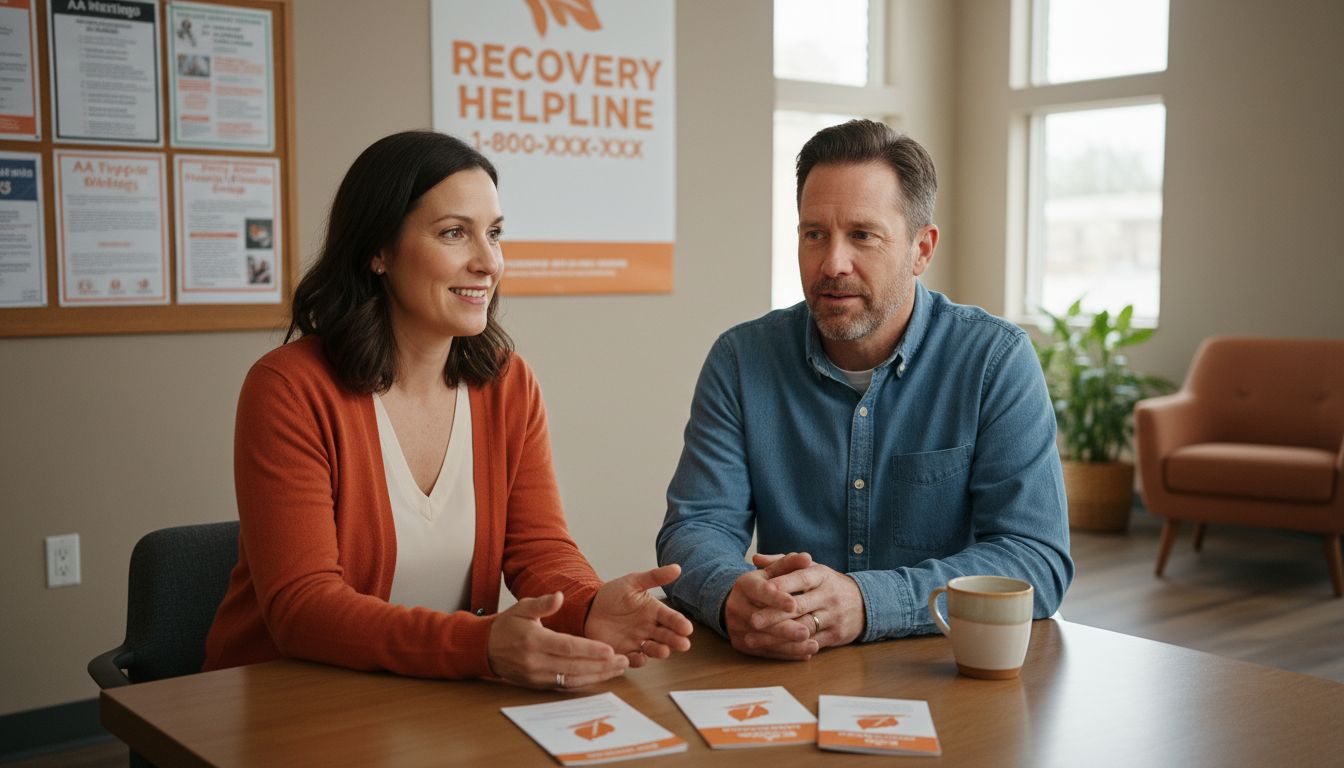
From Awareness to Action: How to Take Control of Your Health and Support Long-Term Recovery

Awareness is often the first step in recovery, but it is not the destination. Many people recognize that their mental health, substance use, or daily habits are affecting their well-being, yet struggle to take meaningful action. Moving from awareness to action is where real change begins. It is the point where insight becomes commitment and where healing starts to take shape through consistent choices, professional support, and personalized care.

Long-term recovery is built on action. With the right combination of addiction recovery services, mental health treatment, inpatient or outpatient care, and holistic support, individuals can take control of their health and create a more stable and fulfilling future.

Understanding the Shift From Awareness to Action

Awareness means recognizing that something needs to change. Action means deciding to do something about it. In recovery, this shift is often the most challenging step because it requires courage, structure, and support.

Many individuals feel stuck at the awareness stage due to fear, uncertainty, or lack of guidance. However, taking even small steps forward can open the door to meaningful progress.

Taking Control of Mental Health

Mental health plays a central role in recovery. Without emotional stability and support, it becomes difficult to maintain healthy habits or avoid relapse. Taking action means seeking care that addresses both emotional and psychological needs.

Effective Mental Health Treatment Options

Professional support may include:

  • Individual therapy for personal emotional healing
  • Cognitive behavioral therapy to reshape negative thought patterns
  • Trauma informed care for unresolved experiences
  • Group therapy for connection and shared support

These approaches help individuals develop coping skills, improve emotional regulation, and build resilience over time.

Daily Actions That Support Mental Wellness

  • Practicing mindfulness or deep breathing exercises
  • Journaling thoughts and emotions regularly
  • Setting realistic and achievable daily goals
  • Maintaining open communication with trusted people

These small actions reinforce therapy work and help create long-term emotional balance.

Supporting Physical Health as Part of Recovery

Taking control of your health also involves caring for your body. Addiction and chronic stress can impact sleep, nutrition, and energy levels. Physical recovery helps restore stability and supports mental clarity.

Key Physical Health Practices

  • Eating balanced meals with whole, nutrient-rich foods
  • Staying hydrated throughout the day
  • Engaging in regular movement such as walking or stretching
  • Prioritizing consistent and restorative sleep

When the body is stronger, it becomes easier to manage emotional challenges and maintain focus on recovery goals.

Choosing the Right Level of Care

Taking action often involves seeking structured support. Inpatient and outpatient programs provide different levels of care depending on individual needs.

Inpatient Care for Intensive Support

Inpatient treatment offers a structured and supportive environment for individuals who need full-time care. It is especially helpful during early recovery or times of crisis.

Outpatient Care for Flexible Recovery

Outpatient programs allow individuals to receive therapy and support while continuing daily responsibilities. This option helps reinforce recovery skills in real-life settings.

Both options provide access to professional guidance, accountability, and evidence-based treatment approaches.

Integrating Holistic and Faith Based Support

Recovery is most effective when it addresses the whole person. Holistic and faith based approaches support healing beyond clinical treatment by focusing on emotional, physical, and spiritual well-being.

Holistic Practices That Strengthen Recovery

  • Mindfulness and meditation for stress reduction
  • Spiritual reflection or prayer for grounding and purpose
  • Creative activities such as art or music for expression
  • Time in nature to support emotional calm

These practices help individuals build inner strength and maintain balance during recovery.

Turning Action Into Long-Term Recovery

Taking action is not a one-time decision. It is a series of consistent choices that support long-term health. Over time, these choices build structure, confidence, and stability.

Habits That Support Lasting Recovery

  • Staying consistent with therapy or counseling
  • Building a strong support network
  • Maintaining healthy daily routines
  • Continuing personal growth and self awareness

These habits help reinforce progress and reduce the risk of relapse.

Conclusion

Moving from awareness to action is a powerful turning point in recovery. It is where change becomes real and where individuals begin building a healthier future. By combining mental health treatment, addiction recovery services, physical wellness practices, and holistic support, long-term recovery becomes achievable and sustainable.

If you or someone you love is ready to take the next step, compassionate and professional help is available. With the right support, taking control of your health can lead to lasting recovery, emotional balance, and a stronger life ahead.

The Complete Wellness Reset: Building Stronger Mental, Physical, and Emotional Health After Addiction

Recovery from addiction is not only about stopping harmful patterns. It is about rebuilding life in a way that supports long-term wellness, emotional balance, and personal stability. A true wellness reset involves strengthening the mind, restoring the body, and healing emotional health in a way that lasts beyond treatment. With the right combination of addiction recovery services, mental health treatment, and holistic support, individuals can create a healthier foundation for a new chapter in life.

Understanding a Complete Wellness Reset

A wellness reset is the process of rebuilding health on every level after addiction. It is not a quick fix. Instead, it is a structured and intentional journey that includes inpatient or outpatient care, personalized treatment, and ongoing lifestyle changes.

Holistic and individualized approaches recognize that recovery is deeply personal. Each person requires a unique plan that addresses mental health challenges, physical recovery needs, and emotional healing together.

Strengthening Mental Health After Addiction

Mental health is often one of the most affected areas during addiction. Anxiety, depression, trauma, and emotional instability are common experiences. Addressing these challenges is essential for long-term recovery.

Core Mental Health Treatment Approaches

Effective mental health care may include:

  • Individual counseling to explore personal experiences and emotions
  • Cognitive behavioral therapy to improve thought patterns
  • Trauma informed care to support emotional healing
  • Group therapy for connection and shared understanding

These approaches help individuals rebuild confidence, manage emotions, and develop healthier coping skills.

Daily Mental Health Practices for Stability

  • Practicing mindfulness or meditation
  • Writing in a journal to process emotions
  • Setting realistic daily goals
  • Using grounding techniques during stressful moments

These small habits help reinforce emotional balance between therapy sessions and treatment milestones.

Rebuilding Physical Health and Energy

Addiction can take a significant toll on the body. A wellness reset includes restoring physical strength, energy, and overall health. When the body begins to heal, mental clarity and emotional stability often improve as well.

Essential Physical Recovery Habits

  • Eating balanced meals with nutrients that support brain health
  • Staying hydrated throughout the day
  • Engaging in regular physical activity such as walking or stretching
  • Maintaining a consistent sleep schedule

These habits help restore the body’s natural rhythm and support long-term recovery.

Emotional Healing and Relationship Repair

Emotional health is a key part of the recovery process. Addiction can strain relationships and create feelings of isolation or guilt. Healing emotionally involves reconnecting with others and rebuilding trust over time.

Building Emotional Strength

  • Developing healthy communication skills
  • Setting boundaries in relationships
  • Reconnecting with supportive friends and family
  • Participating in support groups or recovery communities

These steps help individuals feel supported, understood, and less alone in their journey.

Holistic and Faith Based Support in Recovery

Holistic care focuses on healing the whole person. This includes mind, body, and spirit working together. Many individuals also find strength through faith based or spiritual practices that provide purpose and grounding.

Holistic Practices That Support Wellness

  • Meditation and mindfulness exercises for emotional clarity
  • Prayer or spiritual reflection for inner strength
  • Creative expression such as art, music, or writing
  • Spending time in nature to reduce stress and improve mood

These practices help create balance and reinforce emotional resilience.

Inpatient and Outpatient Care as Part of the Reset

Structured treatment plays an important role in early recovery and long-term success. Inpatient care provides a safe and supportive environment for stabilization, while outpatient care allows individuals to continue treatment while returning to daily responsibilities.

Both options offer therapy, guidance, and accountability that support the wellness reset process. When combined with holistic and personalized care, they create a strong foundation for lasting recovery.

Building a Life That Supports Long-Term Wellness

A wellness reset is not just about recovery. It is about building a life that supports ongoing health and stability. This includes creating routines, maintaining support systems, and continuing personal growth.

Long-Term Wellness Practices

  • Staying consistent with therapy or counseling
  • Maintaining healthy daily habits
  • Surrounding yourself with supportive people
  • Continuing mindfulness and self reflection

These actions help individuals stay grounded and focused on long-term well-being.

Conclusion

The complete wellness reset is about transformation, healing, and rebuilding life after addiction. By focusing on mental health, physical recovery, emotional healing, and holistic support, individuals can create a stronger and more balanced future. Recovery is not just about surviving. It is about building a life that feels stable, meaningful, and full of possibility.

If you or someone you love is ready to begin this journey, compassionate professional support is available. With individualized care and holistic treatment, lasting recovery and true wellness are within reach.

Healing in Real Life: Simple Wellness Strategies for Addiction Recovery and Mental Health Stability

Healing does not only happen inside treatment centers or therapy rooms. It continues in everyday life, through the small decisions and habits that shape how we think, feel, and respond to stress. For individuals navigating addiction recovery and mental health challenges, real progress is built through simple, consistent wellness strategies that support stability in the mind, body, and spirit. When these strategies are combined with professional care, including inpatient or outpatient treatment and holistic support, they create a strong foundation for lasting recovery.

Understanding Real Life Healing in Recovery

Recovery is not a single achievement. It is a daily practice. While structured programs such as addiction recovery services and mental health treatment provide essential guidance, long-term healing depends on how individuals apply what they learn in real life situations.

Holistic and individualized care recognizes that each person’s journey is different. That means wellness strategies must be practical, flexible, and sustainable outside of clinical settings.

Building Mental Stability Through Daily Practices

Mental health stability is one of the most important parts of recovery. Without emotional balance, it becomes harder to manage stress, triggers, and cravings. The good news is that small daily actions can make a meaningful difference over time.

Simple Mental Wellness Strategies

  • Practicing mindfulness for a few minutes each day
  • Writing in a journal to process thoughts and emotions
  • Setting realistic daily goals to build structure and confidence
  • Using breathing exercises during moments of stress

These strategies help calm the nervous system and improve emotional awareness, which are essential skills in both addiction recovery and mental health treatment.

Strengthening the Body to Support Recovery

Physical health plays a direct role in mental and emotional stability. When the body is cared for, the mind becomes clearer and more resilient. Many inpatient and outpatient care programs encourage physical wellness as part of a holistic recovery plan.

Practical Physical Wellness Habits

  • Maintaining a consistent sleep schedule
  • Eating balanced meals with whole foods and nutrients
  • Staying physically active through walking or light exercise
  • Drinking enough water throughout the day

These habits help restore energy, improve mood, and support the body’s natural healing process.

Emotional Wellness Through Connection and Support

Healing in real life also requires connection. Isolation can increase stress and make recovery more difficult. Support systems play a major role in maintaining emotional balance and preventing relapse.

Ways to Build Emotional Support

  • Staying connected with trusted friends or family members
  • Attending support groups or peer recovery meetings
  • Communicating openly with therapists or counselors
  • Engaging in community activities or faith based groups

Connection provides encouragement, accountability, and a sense of belonging, all of which are essential in long-term recovery.

Holistic and Faith Based Wellness Strategies

Holistic care focuses on healing the whole person, not just symptoms. Faith based or spiritual practices can also offer comfort, direction, and inner strength during recovery.

Holistic Practices That Support Stability

  • Meditation or mindfulness to reduce anxiety
  • Prayer or spiritual reflection for grounding and purpose
  • Creative activities such as music, writing, or art
  • Time in nature to restore calm and clarity

These practices help individuals reconnect with themselves and build emotional resilience.

Integrating Professional Care with Everyday Life

Inpatient and outpatient treatment programs provide structure, therapy, and medical support. However, real progress happens when individuals apply these tools in daily life. Combining professional care with simple wellness strategies creates a balanced approach that supports both immediate healing and long-term stability.

Conclusion

Healing in real life is built through consistent, intentional choices. Simple wellness strategies like mindfulness, physical self care, emotional connection, and holistic practices can significantly improve addiction recovery and mental health stability. When supported by professional treatment and compassionate care, these habits become powerful tools for lasting change.

If you or someone you love is ready to take the next step in recovery, help is available. With the right support and practical strategies, it is possible to build a stable, healthy, and fulfilling life beyond addiction and mental health challenges.

Your Health, Your Journey: How Personalized Care Supports Lasting Recovery and Emotional Balance

Recovery is not a one-size-fits-all experience. Every individual brings a unique history, set of challenges, and personal strengths to their healing journey. That is why personalized care plays such a critical role in addiction recovery and mental health treatment. When care is tailored to the person rather than the condition alone, it becomes more effective, more supportive, and more sustainable. With the right combination of clinical treatment, holistic support, and emotional guidance, lasting recovery and emotional balance become realistic and achievable goals.

Understanding Personalized Care in Recovery

Personalized care means treatment is designed around the individual. It considers mental health needs, substance use history, lifestyle factors, and personal goals. Instead of following a rigid structure, care plans adapt as the person progresses through recovery.

This approach is especially important in addiction recovery and mental health treatment, where no two experiences are the same. Some individuals may need intensive inpatient care, while others may benefit more from outpatient programs that allow flexibility and independence.

Why Personalized Treatment Improves Recovery Outcomes

Personalized care improves engagement and long-term success because it meets people where they are. It recognizes that emotional balance, physical health, and mental wellness are all interconnected.

Key Benefits of Individualized Care

  • Treatment plans tailored to specific needs and goals
  • Better engagement in therapy and recovery programs
  • Improved understanding of underlying mental health conditions
  • Stronger emotional regulation and coping skills
  • Reduced risk of relapse through targeted support

When individuals feel understood and supported, they are more likely to stay committed to their recovery journey.

Mental Health Support as the Foundation of Recovery

Mental health treatment is a central part of personalized care. Many individuals in recovery also experience anxiety, depression, trauma, or other emotional challenges. Addressing these conditions alongside addiction creates a stronger foundation for healing.

Effective Mental Health Treatment Approaches

  • Cognitive behavioral therapy to reshape negative thought patterns
  • Trauma informed care for emotional healing and safety
  • Group therapy to build connection and reduce isolation
  • Individual counseling for personalized emotional support

These therapies help individuals understand their emotions, develop healthier coping strategies, and build long-term emotional stability.

Inpatient and Outpatient Care Options

Personalized recovery often includes a combination of inpatient and outpatient care depending on individual needs and stage of recovery.

Inpatient Care for Structured Healing

Inpatient programs provide a safe, structured environment with 24 hour support. This level of care is often used during early recovery or when individuals need intensive stabilization.

Outpatient Care for Flexible Recovery

Outpatient programs allow individuals to continue treatment while living at home. This option helps people apply recovery skills in real-world situations while maintaining access to therapy and support.

Holistic and Faith Based Approaches to Wellness

True recovery goes beyond clinical treatment. Holistic care focuses on healing the mind, body, and spirit together. Faith based or spiritual practices can also provide meaning, comfort, and strength throughout recovery.

Holistic Practices That Support Emotional Balance

  • Mindfulness and meditation for stress reduction
  • Physical activity to support mood and energy levels
  • Nutrition to restore physical health and brain function
  • Creative outlets such as writing, music, or art

These practices help individuals develop balance and resilience in everyday life.

Building Emotional Balance Through Daily Habits

Emotional balance is maintained through consistent daily choices. Personalized care often includes guidance on building healthy routines that support long-term stability.

Simple Daily Practices for Recovery

  • Practicing mindfulness or grounding techniques
  • Maintaining consistent sleep and nutrition routines
  • Staying connected with supportive people
  • Attending therapy or support groups regularly

These small actions reinforce progress and help individuals stay focused on long-term recovery goals.

Conclusion

Your recovery journey is deeply personal, and the care you receive should reflect that. Personalized treatment offers a path that respects individual needs while providing the structure, support, and guidance necessary for lasting recovery and emotional balance. By combining mental health care, addiction recovery services, holistic support, and flexible treatment options, individuals can build a stronger and healthier future.

If you or someone you love is ready to take the next step, compassionate help is available. Reaching out for professional support can be the beginning of a personalized journey toward stability, healing, and lasting wellness.

Live Fully Again: A Practical Guide to Mental Wellness, Recovery, and Everyday Health Choices

Living fully again after addiction or mental health challenges is not about perfection. It is about rebuilding stability, finding balance, and making daily choices that support long-term wellness. Recovery is a process that involves healing the mind, strengthening the body, and reconnecting with purpose. With the right combination of professional care, holistic support, and consistent habits, it is possible to create a healthier and more meaningful life.

Understanding What It Means to Live Fully Again

Recovery is more than stopping harmful behaviors. It is about learning how to live in a way that supports emotional health, physical well-being, and personal growth. Many individuals begin their journey through structured support such as inpatient or outpatient care, where stability and guidance help create a foundation for healing.

Holistic and individualized approaches recognize that every person’s path is different. Because of this, treatment must address mental health, addiction recovery, and lifestyle choices together to create lasting change.

Strengthening Mental Wellness in Recovery

Mental wellness is a key part of long-term recovery. Without emotional stability, it becomes difficult to maintain progress or manage stress in healthy ways. That is why mental health treatment is an essential part of healing.

Building Emotional Strength Through Support

Effective mental health care may include:

  • Individual counseling to process emotions and trauma
  • Group therapy to reduce isolation and build connection
  • Cognitive behavioral therapy to improve thought patterns
  • Trauma informed care for deeper emotional healing

These therapies help individuals understand their emotions, develop coping strategies, and build resilience in everyday life.

Practical Daily Mental Health Habits

In addition to professional support, simple daily practices can make a difference:

  • Journaling thoughts and emotions for self awareness
  • Practicing mindfulness or deep breathing exercises
  • Setting realistic daily goals
  • Maintaining healthy communication with supportive people

These habits reinforce emotional stability and help prevent setbacks.

Supporting Physical Health for Lasting Recovery

Physical health plays a major role in mental and emotional recovery. When the body is cared for, the mind becomes clearer and more stable.

Healthy Habits That Support Recovery

  • Eating balanced meals with whole foods and lean proteins
  • Staying physically active through walking or light exercise
  • Getting consistent and restful sleep
  • Staying hydrated throughout the day

These simple actions help restore energy, improve mood, and support overall healing.

Holistic and Faith Based Approaches to Healing

Holistic care focuses on the whole person, not just symptoms. This includes emotional, physical, and spiritual well-being. For many individuals, faith based support or spiritual practices provide meaning and strength during recovery.

Ways to Integrate Holistic Wellness

  • Meditation or mindfulness practices for calm and focus
  • Prayer or spiritual reflection for grounding and purpose
  • Creative outlets such as art, writing, or music
  • Spending time in supportive communities

These practices help individuals stay centered and connected during challenging moments.

The Role of Inpatient and Outpatient Care

Structured treatment programs provide essential support during different stages of recovery. Inpatient care offers a safe and controlled environment for individuals who need intensive support. Outpatient care allows individuals to continue treatment while returning to daily responsibilities.

Both approaches provide therapy, guidance, and accountability. When combined with holistic practices, they create a strong foundation for long-term wellness.

Everyday Choices That Lead to a Better Life

Recovery is shaped by daily decisions. Small choices made consistently can lead to significant long-term change.

Simple Choices That Matter

  • Choosing healthy routines over unhealthy patterns
  • Reaching out for support instead of isolating
  • Practicing self care regularly
  • Staying committed to personal goals

These choices build momentum and help individuals move toward a more stable and fulfilling life.

Conclusion

Living fully again is possible when recovery is supported by the right tools, care, and daily habits. By focusing on mental wellness, physical health, and holistic healing, individuals can rebuild their lives with strength and purpose. Recovery is not a single moment. It is a journey made up of consistent steps forward.

If you or someone you love is struggling with addiction or mental health challenges, compassionate and professional support is available. Reaching out for help can be the first step toward stability, healing, and a life that feels fully lived again.

From Surviving to Thriving: A Complete Guide to Personal Health and Lasting Recovery

Moving from survival mode into a life of stability and purpose is one of the most meaningful transformations in recovery. For individuals navigating addiction or mental health challenges, simply getting through the day can feel like a victory at first. However, lasting recovery is about more than survival. It is about building a life where personal health, emotional balance, and long-term wellness become the foundation for thriving. With the right support, structure, and holistic care, this shift is absolutely possible.

Understanding the Journey from Survival to Thriving

Recovery is not a single event. It is a process of rebuilding mind, body, and spirit over time. In the early stages, the focus is often on safety, stabilization, and managing withdrawal or emotional distress. As progress continues, the focus gradually shifts toward growth, resilience, and personal fulfillment.

Holistic and individualized care plays a key role in this transition. By combining addiction recovery services, mental health treatment, and structured inpatient or outpatient care, individuals can move beyond crisis and begin building a sustainable life.

Strengthening Mental Health for Long Term Recovery

Mental health is the foundation of lasting recovery. Without emotional stability and coping tools, it becomes difficult to maintain progress. That is why integrated mental health treatment is essential at every stage of healing.

Key Components of Mental Health Support

Effective care may include:

  • Individual therapy to address personal challenges and trauma
  • Group therapy to build connection and reduce isolation
  • Cognitive behavioral therapy to reshape negative thought patterns
  • Trauma informed care for deeper emotional healing

These approaches help individuals develop awareness, emotional regulation, and healthier responses to stress. Over time, this creates a stronger mindset for navigating life beyond treatment.

Rebuilding Physical Health and Daily Stability

Addiction and chronic stress can take a serious toll on the body. Recovery is not only emotional, it is physical as well. Rebuilding physical health helps restore energy, focus, and overall well-being.

Practical Steps to Restore Physical Wellness

  • Maintain consistent sleep routines to support brain recovery
  • Eat balanced meals that include whole foods and lean proteins
  • Stay physically active through walking, stretching, or exercise
  • Stay hydrated to support energy and cognitive function

When the body becomes stronger, emotional stability often improves as well. Physical wellness reinforces mental clarity and supports long-term recovery goals.

The Role of Holistic and Faith Based Care

Holistic recovery focuses on healing the whole person, not just symptoms. This approach recognizes that emotional, physical, and spiritual health are deeply connected. Faith based support and holistic practices can provide meaning, comfort, and resilience during difficult moments.

Holistic Practices That Support Thriving

  • Mindfulness and meditation to reduce stress and increase awareness
  • Creative therapies such as art or music for emotional expression
  • Faith based practices such as prayer or spiritual reflection
  • Community involvement for connection and accountability

These practices help individuals build inner strength and develop a deeper sense of purpose in recovery.

Inpatient and Outpatient Care: Structure That Supports Growth

Structured treatment is often necessary to guide individuals from crisis into stability. Inpatient and outpatient programs provide different levels of support depending on personal needs.

Inpatient Care for Stabilization

Inpatient treatment offers a safe, structured environment with 24 hour support. It is especially helpful for individuals in early recovery or those facing severe mental health challenges.

Outpatient Care for Continued Progress

Outpatient programs allow individuals to continue therapy while returning to daily responsibilities. This stage focuses on applying recovery skills in real life situations and maintaining long-term progress.

Building a Life That Thrives Beyond Recovery

Thriving in recovery requires more than treatment alone. It involves creating daily habits that support long-term wellness and personal growth.

Daily Practices for Lasting Health

  • Practice mindfulness or grounding exercises each day
  • Maintain supportive relationships and healthy boundaries
  • Continue therapy or support group participation
  • Set meaningful personal goals for growth and purpose

These habits reinforce stability and help individuals build confidence in their ability to maintain recovery.

Conclusion

The journey from surviving to thriving is one of transformation, healing, and hope. With the right combination of mental health support, physical wellness, holistic care, and structured treatment, lasting recovery becomes achievable. Every step forward, no matter how small, contributes to a stronger and healthier future.

If you or someone you love is ready to move beyond survival and begin building a life of balance and purpose, professional support can help guide the way. Compassionate, individualized care can make all the difference in achieving lasting recovery and true wellness.

Thriving Beyond Recovery: Integrating Mindfulness, Nutrition, and Faith for a Balanced Life

Recovery from addiction and mental health challenges is not just about reaching stability. It is about learning how to thrive in everyday life with balance, clarity, and purpose. True healing continues long after treatment ends, and it is built through intentional daily practices that support the mind, body, and spirit. By integrating mindfulness, nutrition, and faith, individuals can create a strong foundation for long-term wellness and a more meaningful life beyond recovery.

Understanding Life Beyond Recovery

Recovery is a process of rebuilding. While inpatient and outpatient care provide structure, guidance, and clinical support, long-term success depends on how individuals live day to day. Thriving beyond recovery means developing habits that support emotional regulation, physical health, and spiritual grounding.

Holistic and individualized approaches recognize that each person’s journey is unique. Because of this, sustainable recovery involves more than treatment. It involves lifestyle change, personal growth, and ongoing self-care.

Mindfulness: Strengthening Mental Clarity and Emotional Balance

Mindfulness is one of the most powerful tools for maintaining mental wellness after addiction recovery. It helps individuals stay present, reduce stress, and respond to challenges with awareness instead of impulse.

How Mindfulness Supports Recovery

Mindfulness practices help in several important ways:

  • Reducing anxiety and stress triggers
  • Improving emotional regulation
  • Strengthening self awareness
  • Supporting relapse prevention

Simple Mindfulness Practices for Daily Life

Incorporating mindfulness does not need to be complicated. Effective practices include:

  • Deep breathing exercises for grounding during stressful moments
  • Short daily meditation sessions to improve focus and clarity
  • Mindful walking or movement to reconnect with the body
  • Journaling thoughts and emotions to build awareness

Over time, these practices help create a calmer and more stable mindset, which is essential for long-term recovery success.

Nutrition: Healing the Body from the Inside Out

Nutrition plays a critical role in addiction recovery and mental health treatment. Substance use and chronic stress can deplete the body of essential nutrients, affecting mood, energy, and cognitive function. Restoring physical health is a key part of holistic healing.

The Role of Nutrition in Recovery

A balanced diet supports:

  • Brain function and emotional stability
  • Energy levels and physical strength
  • Sleep quality and recovery from stress
  • Immune system health

Building Healthy Eating Habits

Simple dietary changes can make a significant difference:

  • Prioritize whole foods such as fruits, vegetables, and lean proteins
  • Stay hydrated throughout the day
  • Limit processed foods and excess sugar
  • Eat consistent meals to maintain energy balance

When the body feels stronger, the mind often follows, making nutrition a powerful pillar of recovery.

Faith: Finding Purpose and Inner Strength

Faith and spirituality provide meaning, hope, and resilience during and after recovery. Whether through organized religion or personal spiritual practices, faith can offer comfort and direction during challenging times.

How Faith Supports Long Term Wellness

Faith based practices can:

  • Strengthen emotional resilience
  • Provide a sense of purpose and direction
  • Encourage forgiveness and self acceptance
  • Build connection with supportive communities

Ways to Integrate Faith into Daily Life

Spiritual wellness can be incorporated through:

  • Prayer or personal reflection
  • Meditation focused on gratitude and peace
  • Participation in faith based or supportive communities
  • Reading or studying spiritual or inspirational texts

Faith helps many individuals stay grounded and motivated as they continue building a balanced life.

Combining Mindfulness, Nutrition, and Faith in Recovery

When mindfulness, nutrition, and faith are integrated together, they create a strong and balanced foundation for long-term wellness. Each element supports the others. Mindfulness improves awareness, nutrition strengthens the body, and faith provides purpose and emotional support.

In structured care settings such as inpatient or outpatient programs, these practices are often introduced as part of a holistic recovery plan. When continued after treatment, they help maintain progress and reduce the risk of relapse.

Conclusion

Thriving beyond recovery is possible when individuals commit to a balanced lifestyle that nurtures the mind, body, and spirit. Mindfulness builds emotional awareness, nutrition restores physical strength, and faith provides meaning and resilience. Together, these practices create a powerful foundation for lasting wellness.

If you or a loved one is ready to take the next step in addiction recovery or mental health treatment, professional support can make all the difference. With compassionate care, individualized treatment, and holistic approaches, lasting recovery and a fulfilling life are within reach.

Holistic Healing for Every Stage: Personalized Approaches to Mental Health and Recovery

Healing from addiction and mental health challenges is not a one size fits all process. It is a deeply personal journey that requires compassion, structure, and the right kind of support at every stage. Holistic healing brings together the mind, body, and spirit to create a balanced approach to recovery that goes beyond symptom management. With personalized care, individuals can build stability, rediscover purpose, and move forward with confidence in their recovery journey.

Understanding Holistic Healing in Recovery

Holistic healing focuses on treating the whole person rather than isolated symptoms. In addiction recovery and mental health treatment, this means addressing emotional health, physical wellness, and spiritual well-being together. When these areas are supported in harmony, individuals are more likely to achieve long-term stability and reduce the risk of relapse.

Holistic, faith-based, and individualized approaches recognize that each person has unique needs, life experiences, and goals. Because of this, treatment is designed to adapt rather than follow a rigid structure.

Why Personalized Care Matters

Personalized care improves recovery outcomes by ensuring that treatment reflects the individual, not just the diagnosis. It allows professionals to tailor therapy, support systems, and wellness strategies to fit real life circumstances.

This approach often includes:

  • Mental health counseling for emotional healing
  • Addiction recovery support for substance use challenges
  • Inpatient care for structured stabilization
  • Outpatient care for flexible ongoing support
  • Holistic therapies that strengthen overall wellness

Healing the Mind: Mental Health Support at Every Stage

Mental health treatment is a core part of holistic recovery. Many individuals facing addiction also experience anxiety, depression, trauma, or stress related disorders. Addressing these concerns early helps create a stronger foundation for recovery.

Therapeutic Approaches That Support Healing

Effective mental health treatment may include:

  • Cognitive behavioral therapy to reframe thought patterns
  • Trauma informed care to process past experiences safely
  • Group therapy to build connection and reduce isolation
  • Individual counseling for personal emotional support

These approaches help individuals understand their emotions, develop coping skills, and regain a sense of control in their lives.

Healing the Body: Restoring Physical Wellness

Addiction and prolonged stress can take a significant toll on the body. Holistic recovery emphasizes restoring physical health as a key part of the healing process.

Building Healthy Physical Foundations

Key elements of physical recovery include:

  • Balanced nutrition to support brain and body function
  • Regular physical activity to improve mood and reduce stress
  • Proper sleep routines to restore energy and focus
  • Medical support when needed for withdrawal or chronic conditions

When the body begins to heal, individuals often notice improvements in emotional stability and mental clarity as well.

Healing the Spirit: Faith Based and Meaning Driven Recovery

For many people, spiritual wellness is an essential part of healing. Faith based support and personal meaning can provide strength during difficult moments in recovery.

Ways Spiritual Wellness Supports Recovery

Spiritual or meaning based practices may include:

  • Prayer or meditation for inner peace
  • Reflection practices to build self awareness
  • Participation in supportive faith communities
  • Creative expression such as journaling or music

These practices help individuals reconnect with purpose and build resilience during recovery.

Inpatient and Outpatient Care: Support at Every Level

Recovery needs change over time, which is why flexible care options are essential. Inpatient and outpatient programs provide structured support that adapts to each stage of healing.

Inpatient Care for Stabilization

Inpatient care offers a safe, structured environment for individuals who need intensive support. It is especially helpful during early recovery or when mental health symptoms are severe.

Outpatient Care for Continued Growth

Outpatient care allows individuals to continue therapy and support while returning to daily responsibilities. This stage helps reinforce healthy habits and real world coping skills.

Building a Long Term Holistic Recovery Plan

Sustainable recovery is built through consistency, support, and daily habits. Combining professional treatment with lifestyle changes strengthens long term wellness.

Helpful daily practices include:

  • Mindfulness or grounding exercises
  • Consistent sleep and nutrition routines
  • Regular therapy or support group attendance
  • Healthy communication and relationship building

These small actions build momentum and support lasting recovery.

Conclusion

Holistic healing offers a compassionate and effective path for individuals seeking recovery from addiction and mental health challenges. By addressing the mind, body, and spirit together, and by using personalized treatment at every stage, individuals can move toward a healthier and more balanced life.

If you or someone you love is struggling, support is available. Reaching out for professional help can be the first step toward stability, healing, and long term recovery. With the right care, lasting wellness is possible.

Daily Choices, Lasting Health: How Small Habits Transform Your Mental and Physical Wellness

Recovery and wellness are built one day at a time. While major milestones in treatment are important, it is often the small, consistent choices that have the greatest impact on mental and physical health. Establishing daily habits that support emotional well-being, physical health, and spiritual balance can strengthen resilience, prevent relapse, and improve overall quality of life. Understanding how minor actions influence your long-term wellness allows you to take control of your recovery journey with confidence.

The Power of Daily Habits in Recovery

Daily routines create structure, reduce stress, and reinforce healthy behaviors. In both addiction recovery and mental health management, consistency is key. Small, intentional choices—such as practicing mindfulness, prioritizing sleep, or eating balanced meals—compound over time to create meaningful, lasting change.

Mind: Supporting Mental Health Every Day

Your mental well-being is central to overall recovery. Daily practices can help regulate emotions, reduce anxiety, and strengthen coping skills.

Practical Mental Health Habits

  • Morning mindfulness: Spend five to ten minutes practicing deep breathing or guided meditation.
  • Journaling: Reflect on thoughts, emotions, and daily wins to build self-awareness.
  • Regular therapy sessions: Maintain consistent appointments with counselors or support groups.
  • Goal setting: Break larger recovery objectives into small, achievable daily goals.

Body: Strengthening Physical Health

Physical health influences mental clarity, energy, and emotional stability. Daily routines that prioritize nutrition, movement, and rest help the body recover from past substance use and maintain long-term wellness.

Practical Physical Health Habits

  • Balanced nutrition: Incorporate whole foods, lean proteins, and fresh produce into every meal.
  • Regular exercise: Even 20–30 minutes of walking, stretching, or light strength training supports mood and energy.
  • Adequate sleep: Consistent sleep schedules improve focus, emotional regulation, and overall health.
  • Hydration: Staying hydrated enhances cognitive function and physical recovery.

Spirit: Incorporating Faith and Mindful Practices

Spiritual wellness can provide purpose, grounding, and motivation throughout recovery. Daily practices that nurture the spirit complement mental and physical health, offering emotional resilience in challenging moments.

Practical Spiritual Habits

  • Faith or meditation practices: Dedicate time for prayer, meditation, or reflection each day.
  • Community support: Engage with supportive groups that align with your values.
  • Creative expression: Journaling, art, or music can help process emotions safely.
  • Gratitude practices: Reflect on positive aspects of life to maintain perspective and hope.

Integrating Daily Habits with Structured Care

Inpatient and outpatient programs provide professional support while encouraging daily habit formation. Inpatient care offers intensive guidance and a structured environment, ideal for those in early recovery. Outpatient care allows individuals to practice habits in real-life settings while maintaining therapy and accountability. Both approaches benefit from integrating holistic, faith-based, and individualized wellness routines to ensure a complete recovery experience.

Making Small Choices Every Day

Small daily habits may seem minor, but over time they create significant, lasting change. Choosing to engage in healthy routines consistently builds momentum, strengthens resilience, and empowers individuals to maintain recovery and overall well-being.

Conclusion

Your daily choices shape your mental, physical, and spiritual health. By incorporating consistent habits—mindful reflection, balanced nutrition, physical activity, and spiritual practices—you can transform recovery into a sustainable, holistic lifestyle.

If you or a loved one are ready to strengthen your recovery journey and build lasting wellness, reach out to compassionate professionals who offer individualized, holistic care. Every small step you take today brings you closer to lasting health, balance, and confidence.