Natural Ways to Reduce Stress: Lifestyle Changes That Boost Mental Health

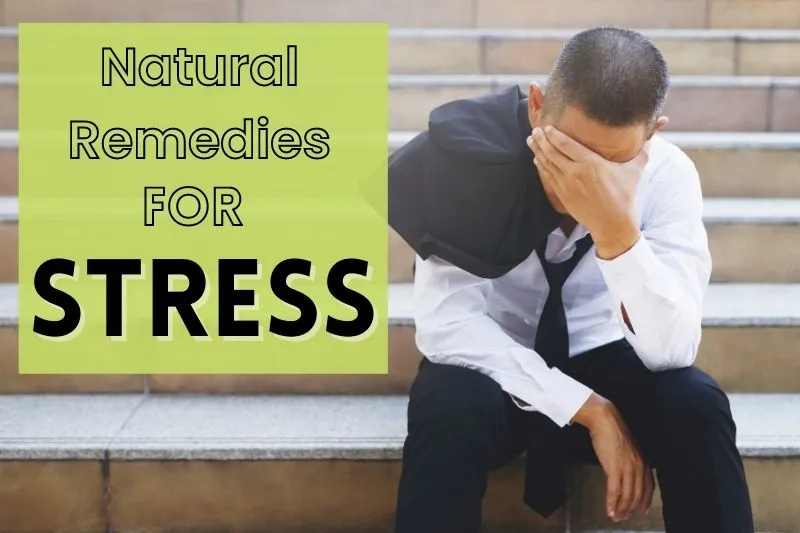
Stress affects everyone, but for individuals navigating addiction recovery or managing mental health conditions, it can feel overwhelming. Chronic stress not only impacts emotional well-being but also weakens physical health, disrupts sleep, and increases vulnerability to relapse. The good news is that natural remedies and simple lifestyle changes can play a powerful role in reducing stress and supporting long-term mental wellness. By integrating these practices into daily life, individuals can build resilience, restore balance, and enhance overall recovery.

Understanding Stress and Its Effects on Mental Health

Stress is the body’s natural response to challenges, triggering physical and emotional reactions designed to help us cope. Short-term stress can be motivating, but prolonged stress contributes to anxiety, depression, fatigue, and emotional burnout. For those in recovery, unmanaged stress can become a significant barrier, interfering with treatment, self-care, and healthy routines. Recognizing stress early and adopting proactive strategies is essential for maintaining mental and emotional stability.

How Lifestyle Influences Stress

Daily habits, environment, and routines directly affect the body’s stress response. Factors such as poor sleep, sedentary behavior, unhealthy nutrition, and social isolation can intensify anxiety and depressive symptoms. Conversely, positive lifestyle changes create a supportive framework that enhances mental clarity, emotional regulation, and resilience.

Natural Strategies for Stress Reduction

Prioritize Sleep and Rest

Adequate sleep is crucial for emotional stability. Maintaining a consistent sleep schedule, creating a calming bedtime routine, and minimizing screen time before bed can improve rest and reduce irritability. Sleep not only restores energy but also strengthens the brain’s ability to manage stress effectively.

Incorporate Regular Physical Activity

Exercise is a natural stress reliever. Activities like walking, swimming, yoga, or stretching release endorphins that improve mood, lower anxiety, and reduce tension. Regular movement also supports overall health and promotes better sleep, both of which are essential for recovery.

Practice Mindfulness and Meditation

Mindfulness practices, including meditation, deep breathing, and journaling, help individuals stay present and regulate their emotions. These techniques reduce rumination, enhance self-awareness, and provide tools for responding to stress rather than reacting impulsively.

Nourish Your Body with Balanced Nutrition

Healthy eating supports mental health by stabilizing energy and regulating mood. Incorporating whole foods, lean proteins, fruits, vegetables, and healthy fats helps the brain function optimally. Reducing processed foods, sugar, and caffeine can prevent mood swings and minimize stress triggers.

Build Strong Support Networks

Connection is vital in recovery. Engaging with supportive friends, family, or recovery groups provides encouragement, accountability, and emotional stability. Professional counseling and therapy offer additional tools to manage stress, understand triggers, and develop healthy coping mechanisms.

Integrate Holistic and Faith-Based Practices

Holistic approaches such as yoga, acupuncture, and relaxation therapies complement traditional care by addressing the mind, body, and spirit. For many, faith-based practices like prayer, meditation, or community involvement provide strength, perspective, and emotional grounding during stressful periods.

Taking Control of Your Mental Wellness

Reducing stress naturally is not about quick fixes but about creating sustainable habits that support recovery and mental health. By prioritizing sleep, exercise, nutrition, mindfulness, and social connection, individuals can build resilience and regain a sense of control over their lives. At BestBuyTadalafil.com, we understand the importance of compassionate, individualized care. Our programs combine holistic, faith-based, and professional approaches to help you manage stress, strengthen mental wellness, and maintain lasting recovery. If stress or anxiety is impacting your journey, reach out today. Every step toward support is a step toward balance and renewed strength.

Support Systems Matter: The Role of Friends, Family, and Therapy in Mental Health Recovery

Recovering from mental health challenges or addiction is not a journey meant to be taken alone. Healing requires strength, patience, and consistent support. For many individuals, having a reliable network of friends, family, and professional guidance can make the difference between feeling isolated and finding hope. At the heart of mental wellness is connection — a foundation that empowers individuals to rebuild their lives with confidence and stability.

The Importance of Connection in Recovery

When someone is struggling with anxiety, depression, or addiction, isolation often becomes a barrier to healing. Emotional withdrawal, shame, or fear can make it difficult to reach out for help. Yet, human connection is one of the most powerful tools for recovery. Support systems provide understanding, accountability, and encouragement during times of vulnerability. They remind individuals that they are not defined by their struggles but by their capacity to heal and grow.

The Role of Family Support

Creating a Safe and Understanding Environment

Family members play a crucial role in the recovery process. When families approach mental health and addiction with compassion rather than judgment, they help create an environment where healing can begin. Open communication, empathy, and patience allow individuals to express their feelings without fear or guilt.

Educating and Setting Healthy Boundaries

Families who learn about mental health and addiction gain valuable insight into how to offer the right kind of help. Education helps loved ones set healthy boundaries, avoid enabling behaviors, and encourage accountability. With proper guidance, families become essential partners in recovery rather than silent observers.

The Power of Friendships in Healing

Emotional Encouragement and Motivation

Friends often serve as the first line of emotional support. Whether it is a phone call, a walk, or a shared meal, small acts of care can make a significant difference. Positive friendships help reduce feelings of loneliness and promote a sense of belonging — two key components of mental wellness.

Choosing Supportive Relationships

During recovery, it is important to surround yourself with friends who understand your goals and respect your boundaries. Healthy friendships encourage progress, while toxic or triggering relationships can hinder growth. Selecting supportive people to walk with you on your journey can strengthen your resilience and confidence.

The Role of Therapy in Building Long-Term Stability

Professional Guidance and Emotional Insight

Therapy provides a safe space to explore the root causes of mental health challenges. Licensed therapists use evidence-based approaches to help individuals understand their thoughts, emotions, and behaviors. Whether in an inpatient or outpatient setting, therapy offers practical tools for managing anxiety, depression, and addiction triggers.

Integrating Holistic and Faith-Based Approaches

Combining traditional therapy with holistic and faith-based practices creates a comprehensive approach to healing. Techniques such as mindfulness, meditation, and spiritual reflection help align mental, physical, and emotional well-being. Personalized treatment plans ensure that each person’s unique needs and beliefs are honored throughout the recovery process.

Building a Stronger Support Network

Recovery is most successful when individuals actively build and nurture their support systems. Joining community groups, attending recovery meetings, or participating in faith-based programs can expand one’s circle of understanding and encouragement. Each layer of support reinforces the foundation of mental and emotional stability.

You Do Not Have to Walk Alone

Recovery thrives in connection. With the combined support of friends, family, and professional care, healing becomes not only possible but sustainable. At BestBuyTadalafil.com, we understand that every journey is unique. Our holistic and faith-based treatment programs are designed to meet individuals where they are, providing compassionate, personalized care for lasting recovery. If you or someone you love is struggling, reach out today. Healing begins when you take the first step — and you do not have to take it alone.

Natural Remedies and Lifestyle Changes for Managing Stress and Mood Disorders

Managing stress and mood disorders can feel like an uphill battle, especially for those in addiction recovery or rebuilding their mental health. While professional treatment remains essential, incorporating natural remedies and lifestyle changes can significantly enhance emotional balance and overall well-being. Healing is most effective when it addresses the whole person—mind, body, and spirit. With the right support and daily habits, lasting peace and stability are within reach.

Understanding the Link Between Stress and Mood Disorders

Stress is the body’s natural response to challenges, but chronic stress can disrupt emotional stability, sleep, and energy levels. Over time, unmanaged stress can contribute to mood disorders such as anxiety and depression. For individuals in recovery, these emotional pressures can also increase vulnerability to relapse. Integrating natural approaches alongside professional care helps restore equilibrium and promotes sustainable recovery.

The Role of Holistic Healing in Recovery

Holistic health focuses on treating the person as a whole, not just the symptoms. It emphasizes balance, mindfulness, and purposeful living. Natural remedies and lifestyle adjustments empower individuals to take an active role in their healing journey. When paired with professional counseling or therapy, these strategies can strengthen mental wellness and support long-term recovery.

Natural Remedies to Support Emotional Well-Being

Herbal Supplements and Nutrients

Certain herbs and nutrients have been shown to promote calmness and emotional balance. Supplements such as ashwagandha, chamomile, omega-3 fatty acids, and B vitamins may help reduce stress and support brain health. Always consult with a healthcare professional before adding any supplement, especially if you are undergoing addiction treatment or taking medication.

Aromatherapy and Essential Oils

Scents like lavender, bergamot, and sandalwood can soothe the nervous system and encourage relaxation. Using essential oils during meditation, before sleep, or while journaling can create a calming environment that supports mental clarity and emotional regulation.

Mind-Body Practices

Activities that integrate physical movement with mental focus, such as yoga, tai chi, and deep breathing exercises, are powerful tools for reducing anxiety and improving mood. These practices help regulate the body’s stress response and foster self-awareness, which is essential for maintaining recovery and emotional balance.

Lifestyle Changes That Promote Emotional Stability

Prioritize Quality Sleep

Sleep plays a vital role in mood regulation. Creating a consistent bedtime routine, limiting screen time before bed, and practicing relaxation techniques can improve rest and reduce irritability and fatigue.

Nourish the Body with Balanced Nutrition

Food affects not only physical health but also emotional well-being. Whole foods, lean proteins, and complex carbohydrates provide stable energy and support brain function. Avoiding processed foods and excessive sugar can also prevent mood swings and fatigue.

Stay Physically Active

Regular exercise releases endorphins, the body’s natural mood boosters. Even light activities like walking, swimming, or gardening can relieve stress and enhance emotional resilience.

Cultivate Mindfulness and Gratitude

Practicing mindfulness through meditation or reflection helps you stay present and grounded. Keeping a gratitude journal or taking moments throughout the day to reflect on positive experiences can shift focus away from negative thoughts.

Faith-Based and Individualized Healing

For many individuals, faith plays a central role in healing. Prayer, spiritual counseling, and community support can offer strength and comfort during times of emotional struggle. Personalized treatment that integrates faith-based principles with professional care ensures a balanced approach to recovery that honors the individual’s beliefs and goals.

Small Steps Toward Lasting Peace

Natural remedies and mindful lifestyle choices can make a profound difference in managing stress and mood disorders. When combined with professional, compassionate care, these approaches create a powerful foundation for healing and long-term wellness. At BestBuyTadalafil.com, we believe recovery is not just about overcoming challenges but rediscovering balance and purpose. If you or a loved one is struggling with emotional distress or addiction, reach out today to begin your path toward peace and renewed strength.