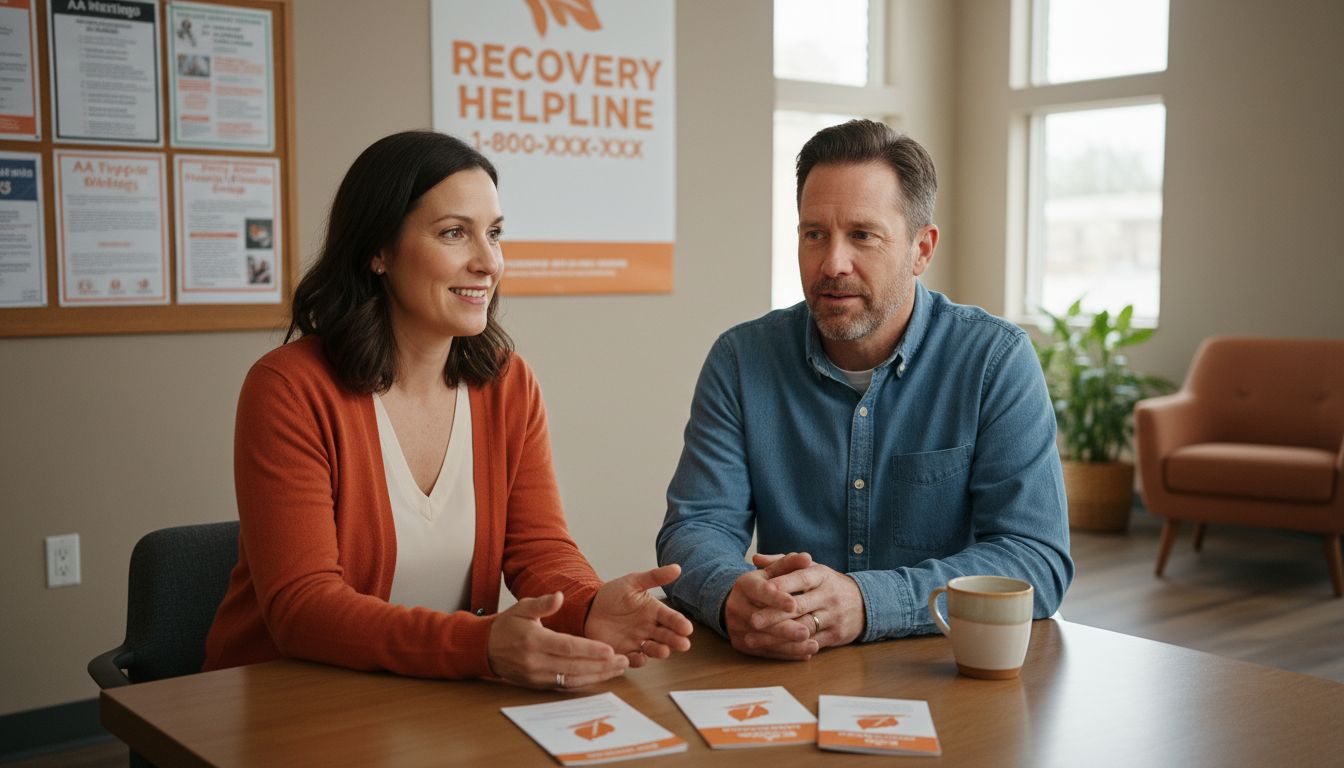
Awareness is often the first step in recovery, but it is not the destination. Many people recognize that their mental health, substance use, or daily habits are affecting their well-being, yet struggle to take meaningful action. Moving from awareness to action is where real change begins. It is the point where insight becomes commitment and where healing starts to take shape through consistent choices, professional support, and personalized care.
Long-term recovery is built on action. With the right combination of addiction recovery services, mental health treatment, inpatient or outpatient care, and holistic support, individuals can take control of their health and create a more stable and fulfilling future.
Understanding the Shift From Awareness to Action
Awareness means recognizing that something needs to change. Action means deciding to do something about it. In recovery, this shift is often the most challenging step because it requires courage, structure, and support.
Many individuals feel stuck at the awareness stage due to fear, uncertainty, or lack of guidance. However, taking even small steps forward can open the door to meaningful progress.
Taking Control of Mental Health
Mental health plays a central role in recovery. Without emotional stability and support, it becomes difficult to maintain healthy habits or avoid relapse. Taking action means seeking care that addresses both emotional and psychological needs.
Effective Mental Health Treatment Options
Professional support may include:
- Individual therapy for personal emotional healing
- Cognitive behavioral therapy to reshape negative thought patterns
- Trauma informed care for unresolved experiences
- Group therapy for connection and shared support
These approaches help individuals develop coping skills, improve emotional regulation, and build resilience over time.
Daily Actions That Support Mental Wellness
- Practicing mindfulness or deep breathing exercises
- Journaling thoughts and emotions regularly
- Setting realistic and achievable daily goals
- Maintaining open communication with trusted people
These small actions reinforce therapy work and help create long-term emotional balance.
Supporting Physical Health as Part of Recovery
Taking control of your health also involves caring for your body. Addiction and chronic stress can impact sleep, nutrition, and energy levels. Physical recovery helps restore stability and supports mental clarity.
Key Physical Health Practices
- Eating balanced meals with whole, nutrient-rich foods
- Staying hydrated throughout the day
- Engaging in regular movement such as walking or stretching
- Prioritizing consistent and restorative sleep
When the body is stronger, it becomes easier to manage emotional challenges and maintain focus on recovery goals.
Choosing the Right Level of Care
Taking action often involves seeking structured support. Inpatient and outpatient programs provide different levels of care depending on individual needs.
Inpatient Care for Intensive Support
Inpatient treatment offers a structured and supportive environment for individuals who need full-time care. It is especially helpful during early recovery or times of crisis.
Outpatient Care for Flexible Recovery
Outpatient programs allow individuals to receive therapy and support while continuing daily responsibilities. This option helps reinforce recovery skills in real-life settings.
Both options provide access to professional guidance, accountability, and evidence-based treatment approaches.
Integrating Holistic and Faith Based Support
Recovery is most effective when it addresses the whole person. Holistic and faith based approaches support healing beyond clinical treatment by focusing on emotional, physical, and spiritual well-being.
Holistic Practices That Strengthen Recovery
- Mindfulness and meditation for stress reduction
- Spiritual reflection or prayer for grounding and purpose
- Creative activities such as art or music for expression
- Time in nature to support emotional calm
These practices help individuals build inner strength and maintain balance during recovery.
Turning Action Into Long-Term Recovery
Taking action is not a one-time decision. It is a series of consistent choices that support long-term health. Over time, these choices build structure, confidence, and stability.
Habits That Support Lasting Recovery
- Staying consistent with therapy or counseling
- Building a strong support network
- Maintaining healthy daily routines
- Continuing personal growth and self awareness
These habits help reinforce progress and reduce the risk of relapse.
Conclusion
Moving from awareness to action is a powerful turning point in recovery. It is where change becomes real and where individuals begin building a healthier future. By combining mental health treatment, addiction recovery services, physical wellness practices, and holistic support, long-term recovery becomes achievable and sustainable.
If you or someone you love is ready to take the next step, compassionate and professional help is available. With the right support, taking control of your health can lead to lasting recovery, emotional balance, and a stronger life ahead.

