Mindfulness for Mental Health: Simple Practices to Ease Anxiety and Depression

In today’s fast-paced world, anxiety and depression have become increasingly common challenges. For individuals navigating addiction recovery or managing mental health concerns, these emotional struggles can feel overwhelming. Mindfulness offers a practical and compassionate approach to managing these feelings, allowing individuals to regain calm, build resilience, and foster long-term emotional well-being. By integrating simple mindfulness practices into daily life, recovery becomes more balanced, focused, and sustainable.

Understanding Mindfulness and Its Benefits

Mindfulness is the practice of paying full attention to the present moment without judgment. It encourages awareness of thoughts, feelings, and bodily sensations while reducing the habit of ruminating on the past or worrying about the future. For people in recovery, mindfulness can provide a valuable tool to navigate triggers, stress, and emotional discomfort.

How Mindfulness Supports Mental Health

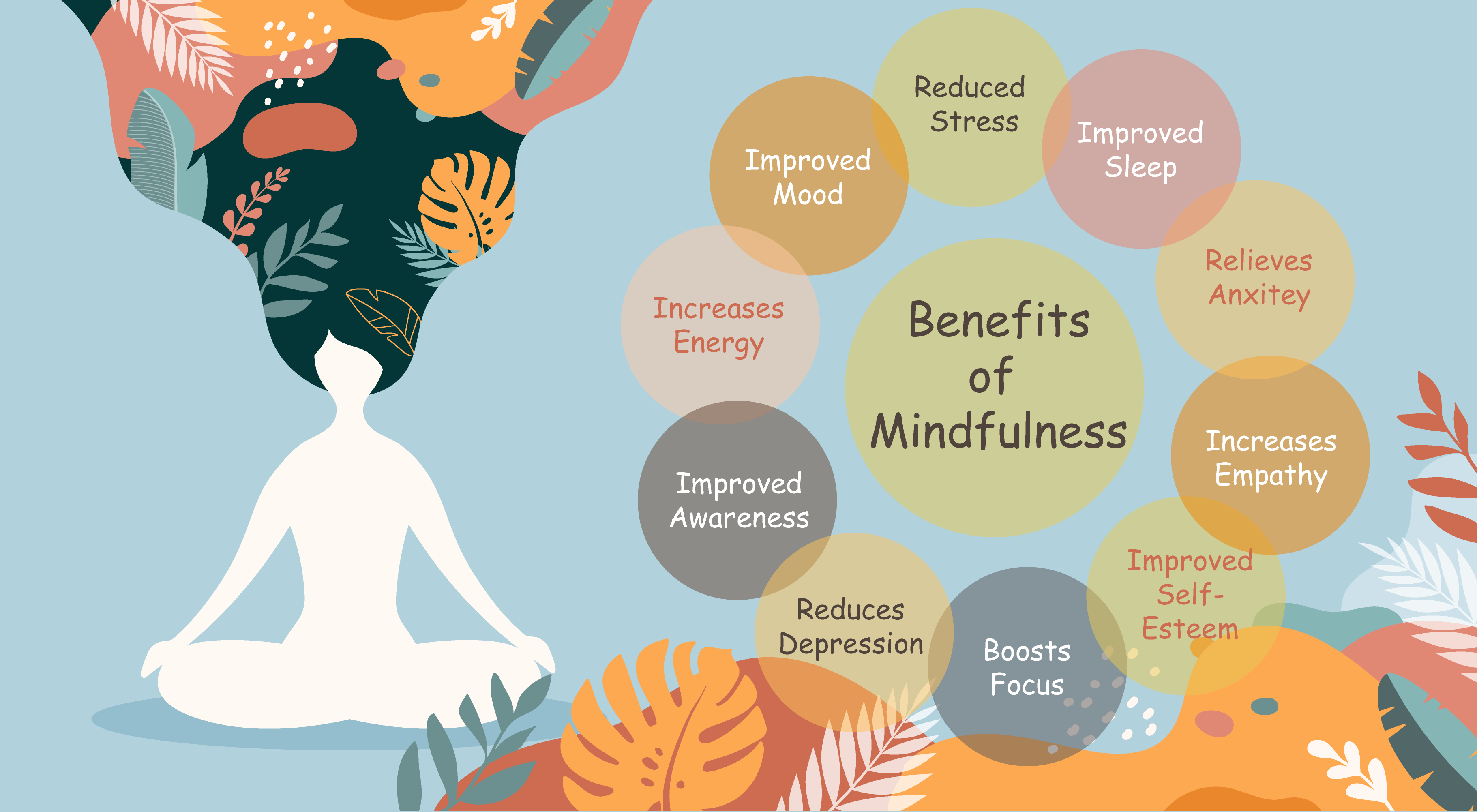
Mindfulness has been shown to reduce symptoms of anxiety and depression by improving emotional regulation and increasing self-compassion. It strengthens the connection between mind and body, allowing individuals to respond to challenging situations with clarity rather than reacting impulsively. Additionally, mindfulness promotes better sleep, increased focus, and reduced stress, all of which are critical for successful recovery.

Simple Mindfulness Practices for Daily Life

Incorporating mindfulness does not require complex routines or extensive training. Small, consistent practices can create significant positive change.

1. Mindful Breathing

Focus on your breath as it flows in and out. Pay attention to the sensation of air entering your nose, filling your lungs, and leaving your body. Even a few minutes of mindful breathing each day can lower stress hormone levels and ground you in the present moment.

2. Body Scan Meditation

Take a few minutes to mentally scan your body from head to toe. Notice areas of tension or discomfort and breathe into them. This practice encourages relaxation, improves awareness of physical sensations, and helps release stored stress.

3. Observing Thoughts Without Judgment

When anxious or depressive thoughts arise, observe them as if they are passing clouds rather than facts. Labeling thoughts without judgment helps reduce their intensity and prevents them from dictating behavior.

4. Mindful Walking

Turn a simple walk into a mindful experience by noticing the sensations of each step, the movement of your muscles, and the sounds around you. Mindful walking combines gentle exercise with present-moment awareness, benefiting both body and mind.

5. Gratitude Journaling

Writing down things you are grateful for each day cultivates a positive mindset. Focusing on small, positive aspects of life can counterbalance negative thoughts and reinforce recovery goals.

Integrating Mindfulness into Recovery

Mindfulness complements professional treatment for mental health and addiction. Inpatient and outpatient programs often incorporate holistic approaches that include meditation, yoga, and mindful reflection. Faith-based practices may also align with mindfulness, offering spiritual grounding alongside emotional support.

Taking the Next Step

Mindfulness is not a quick fix, but a gradual and powerful tool for mental health. By practicing simple daily techniques, individuals can reduce anxiety, ease depressive symptoms, and strengthen resilience in recovery. If you or a loved one are struggling with mental health challenges or addiction, consider reaching out to a trusted treatment center that offers holistic, individualized care. Mindfulness, combined with professional guidance, can create a foundation for lasting peace, focus, and emotional well-being.

Depression Recovery: Small Steps That Lead to Big Changes

Depression can make even the simplest daily tasks feel overwhelming. For individuals in addiction recovery or those facing mental health struggles, depression often adds another layer of difficulty to the healing process. The good news is that recovery is possible, and it does not have to begin with massive changes. Often, small consistent steps can create powerful shifts that lead to lasting transformation. Understanding how to take those first steps can be the key to building resilience, strength, and hope.

Understanding Depression in Recovery

Depression is more than just sadness. It can bring feelings of emptiness, fatigue, hopelessness, and disconnection from others. For many people in recovery, depression may surface during early sobriety or after a major life transition. It is important to recognize that depression is not a personal weakness but a medical and emotional condition that requires compassion, care, and support.

Professional treatment, whether inpatient or outpatient, is often essential for managing depression. At the same time, daily habits and small lifestyle changes play a critical role in building momentum toward healing.

Small Daily Steps That Make a Difference

Focus on One Task at a Time

When depression feels heavy, even basic routines can feel impossible. Instead of aiming to do everything at once, focus on one achievable task each day. Whether it is making your bed, preparing a healthy meal, or taking a short walk, completing small goals can restore a sense of control and progress.

Prioritize Physical Wellness

The body and mind are closely connected. Simple actions like drinking enough water, eating balanced meals, and getting regular movement can reduce depressive symptoms. Exercise in particular boosts mood-regulating chemicals like serotonin and endorphins, helping the brain reset and heal.

Build a Support System

Isolation often makes depression worse. Reaching out to a trusted friend, mentor, or recovery group provides encouragement and accountability. Professional counseling, faith-based guidance, or group therapy can create safe spaces where emotions are understood and validated.

Practice Mindfulness and Spiritual Grounding

Holistic approaches, including mindfulness meditation, prayer, or deep breathing, help calm the mind and bring awareness to the present moment. For many, faith-based practices provide strength and hope when depression feels overwhelming. Spiritual connection, combined with evidence-based therapy, can nurture both the mind and the soul.

Celebrate Progress, No Matter How Small

Recovery from depression is not about perfection. It is about progress. Recognizing even the smallest victories helps to reinforce positive change. Keeping a journal of achievements, gratitude lists, or milestones in sobriety can serve as a reminder of how far you have come.

Professional Treatment Matters

While small steps are powerful, depression recovery often requires comprehensive care. Inpatient and outpatient treatment programs offer structured support, therapeutic guidance, and individualized care plans. Holistic treatment models address not just the symptoms of depression but also the underlying causes, including trauma, addiction, and lifestyle challenges. With a compassionate team, recovery becomes a guided journey rather than an isolated struggle.

Moving Forward with Hope

Depression recovery is built on consistency, connection, and courage. Even the smallest steps can open the door to big changes, leading to greater balance and emotional stability. If depression is impacting your life or recovery journey, remember that help is available. Professional treatment centers provide personalized care, holistic healing, and compassionate support to help you regain hope and strength. You do not have to face depression alone. Taking the first step today could be the beginning of a healthier, brighter tomorrow.

Overcoming Anxiety: Daily Techniques to Regain Calm and Control

Anxiety can feel like an uninvited shadow that follows you through every moment of the day. For those navigating addiction recovery, it can be even more challenging, often triggered by past experiences, uncertainty about the future, or the emotional work involved in healing. The good news is that anxiety does not have to control your life. With the right daily techniques, you can regain a sense of calm, build resilience, and take steady steps toward long-term recovery.

Understanding Anxiety in Recovery

Anxiety is more than occasional nervousness. In recovery, it can manifest as constant restlessness, racing thoughts, and difficulty sleeping. It may be tied to withdrawal, past trauma, or the pressure of maintaining sobriety. Left unchecked, it can become a barrier to progress. Recognizing that anxiety is a normal, treatable response is the first step toward managing it effectively.

Building a Strong Daily Routine

Consistency is one of the most powerful tools against anxiety. When your mind knows what to expect, it can feel more secure and less reactive to stressors.

Practice Mindful Mornings

Start your day with intention rather than rushing into obligations. A few minutes of deep breathing, prayer, or meditation can ground your mind. This sets a calm tone for the hours ahead and helps prevent stress from spiraling.

Prioritize Physical Movement

Exercise is a natural anxiety reducer. Activities like walking, stretching, yoga, or swimming release endorphins that boost mood and focus. Even ten minutes of movement can make a difference in how you handle challenges throughout the day.

Managing Thoughts and Emotions

Negative thought patterns can feed anxiety, but learning to redirect them is a skill you can strengthen over time.

Journaling for Clarity

Writing down your thoughts helps you process emotions and separate facts from fears. Journaling can reveal patterns and triggers, giving you insight into how to respond more effectively.

Reframing Stressful Situations

When anxiety builds, pause and ask yourself: “Is this thought helping me heal or holding me back?” By reframing challenges as opportunities for growth, you give yourself the power to choose how you respond.

The Role of Support Systems

Anxiety can be isolating, but recovery thrives on connection. Surround yourself with supportive friends, family, counselors, or recovery groups who understand your journey. Professional treatment programs that combine mental health care with holistic healing can provide tailored strategies for managing anxiety.

Holistic and Faith-Based Approaches

For many, faith-based practices offer strength and perspective during anxious moments. Prayer, scripture study, and mindfulness can work alongside clinical therapies to create a balanced path to wellness. Holistic care, which addresses mind, body, and spirit, can include nutrition guidance, meditation, and relaxation techniques that reinforce emotional stability.

Taking the Next Step

Anxiety does not have to be a permanent part of your story. By using practical daily techniques, leaning on a strong support system, and seeking professional guidance when needed, you can regain calm and control in your life. If anxiety is affecting your recovery, reach out to a trusted treatment center that understands both the emotional and physical challenges of healing. Your peace of mind is worth the effort, and with the right help, it is within your reach.