Preventative Health: How to Stay Ahead of Illness and Disease

In the modern world, where chronic diseases and lifestyle-related illnesses are on the rise, preventative health has become more important than ever. Instead of waiting for sickness to strike, preventative health focuses on proactive steps to maintain wellness and avoid illness before it starts. By making informed choices and establishing healthy routines, you can strengthen your body, improve longevity, and enjoy a higher quality of life.

What Is Preventative Health?

Preventative health refers to measures taken to prevent the onset of disease or detect it early when it is most treatable. It includes practices like regular screenings, vaccinations, healthy lifestyle habits, and risk management. This approach empowers individuals to take control of their health and reduces the burden of disease on society and healthcare systems.

There are three levels of prevention:

  • Primary prevention: Avoiding disease before it occurs (e.g., vaccines, healthy eating, regular exercise).
  • Secondary prevention: Detecting conditions early (e.g., screenings, blood tests, routine checkups).
  • Tertiary prevention: Managing and minimizing the impact of chronic diseases (e.g., physical therapy, medication, lifestyle changes).

The Pillars of Preventative Health

1. Regular Health Screenings

Routine checkups and screenings help detect diseases like high blood pressure, diabetes, cancer, and cholesterol issues before they become severe. Based on your age, sex, and family history, your doctor can recommend specific tests such as mammograms, colonoscopies, or blood panels.

2. Vaccinations

Vaccines are one of the most effective tools for preventing infectious diseases. Staying up to date with vaccinations—such as the flu shot, COVID-19 booster, and others—protects both you and those around you by reducing the spread of illness.

3. Healthy Nutrition

A balanced diet rich in fruits, vegetables, whole grains, lean proteins, and healthy fats provides essential nutrients that support your immune system and reduce the risk of chronic diseases. Reducing processed foods, sugar, and excess salt also helps prevent obesity, heart disease, and diabetes.

4. Regular Physical Activity

Exercise is vital for maintaining a healthy heart, strong bones, and a balanced weight. It also reduces the risk of conditions like depression and anxiety. Aim for at least 150 minutes of moderate activity per week, such as brisk walking, cycling, or swimming.

5. Adequate Sleep and Stress Management

Lack of sleep and chronic stress can weaken your immune system and lead to long-term health problems. Prioritizing 7–9 hours of quality sleep and practicing stress-reducing techniques like meditation, yoga, or deep breathing are essential to overall well-being.

6. Avoiding Harmful Behaviors

Avoid tobacco, limit alcohol consumption, and reduce exposure to environmental toxins. These steps can significantly lower your risk of developing serious health issues, including cancer and respiratory diseases.

Conclusion

Preventative health is not about fear—it’s about empowerment. By taking small, consistent actions each day, you can prevent many illnesses, detect problems early, and enjoy a healthier, longer life. Your future health begins with today’s decisions, so choose wisely and take proactive steps toward lifelong wellness. A little prevention now can lead to a lot of freedom later.
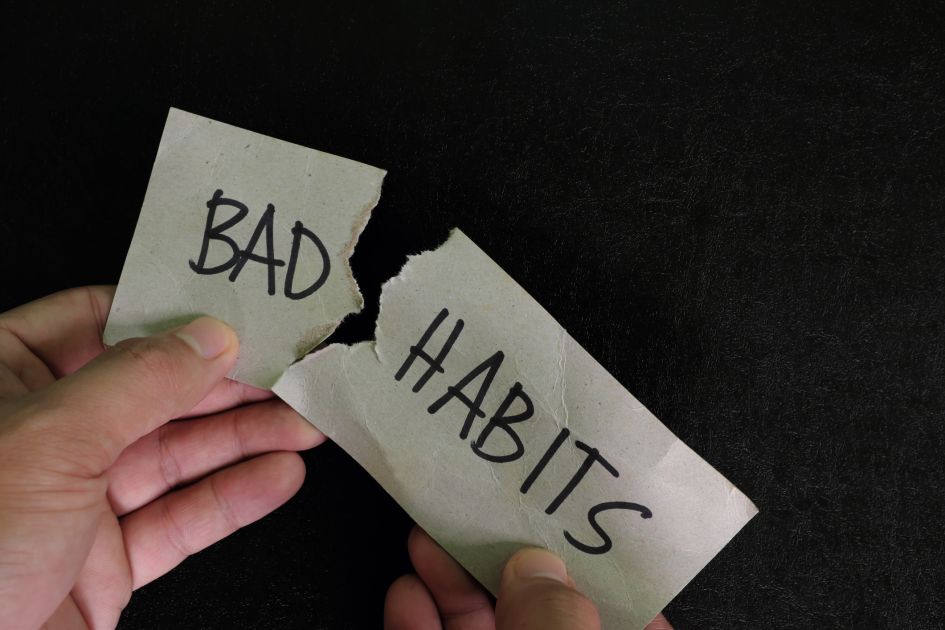
Breaking Bad Habits: A Guide to Overcoming Addictions and Unhealthy Behaviors

Everyone has habits—some are helpful, and others can be harmful. Whether it’s smoking, overeating, excessive screen time, or substance use, unhealthy behaviors can negatively impact physical health, mental well-being, and relationships. Breaking free from bad habits and addictions is not easy, but it is possible with the right mindset, strategies, and support system. This guide will help you understand why habits form and how you can replace them with healthier alternatives for lasting change.

Understanding the Nature of Habits and Addictions

Habits are behaviors repeated regularly until they become automatic. The brain forms habits through a loop: cue → routine → reward. For example, stress (cue) may lead to smoking (routine) which brings temporary relief (reward). Over time, this loop becomes ingrained.

Addictions follow a similar pattern but are more intense and harder to break. They involve a physical or psychological dependency on substances or behaviors, often used to escape pain, stress, or emotional discomfort. Addiction hijacks the brain’s reward system, making it difficult to stop even when one wants to.

Steps to Break Free from Unhealthy Behaviors

1. Recognize the Habit and Its Impact

The first step is honest self-reflection. What is the habit? When and why do you engage in it? How does it affect your health, relationships, and goals? Awareness is the foundation for change.

2. Identify Triggers

Bad habits are often tied to specific triggers—emotions, environments, or situations. Keep a journal to track when the habit occurs and what triggered it. Understanding these patterns helps you avoid or cope with triggers more effectively.

3. Set Clear, Realistic Goals

Change takes time and patience. Instead of vague goals like “I want to stop drinking,” set a clear, achievable plan: “I will reduce my alcohol intake to two drinks per week for the next month.” Break larger goals into smaller, manageable steps to maintain motivation.

4. Replace the Habit with a Healthier Alternative

Don’t just try to stop a bad habit—replace it. For example:

  • Replace smoking with deep breathing or chewing gum.
  • Swap junk food with healthier snacks.
  • Use a walk or journal to cope with stress instead of drinking or binge-watching TV.

The key is to still satisfy the original need (e.g., stress relief or boredom) in a healthier way.

5. Seek Support

You don’t have to do it alone. Talk to trusted friends or family members, join a support group, or work with a counselor or therapist. Support systems provide encouragement, accountability, and understanding during tough times.

6. Be Patient and Kind to Yourself

Breaking bad habits is a process, not an overnight fix. Setbacks are normal—what matters is your willingness to keep trying. Celebrate small wins, and don’t let guilt or shame derail your progress. Self-compassion fuels resilience.

Conclusion

Overcoming bad habits and addictions is one of the most empowering things you can do for your well-being. With awareness, intention, and support, change is always possible. Each healthy choice you make builds momentum toward a better, freer version of yourself. Remember: you are stronger than your habits, and every step forward counts.