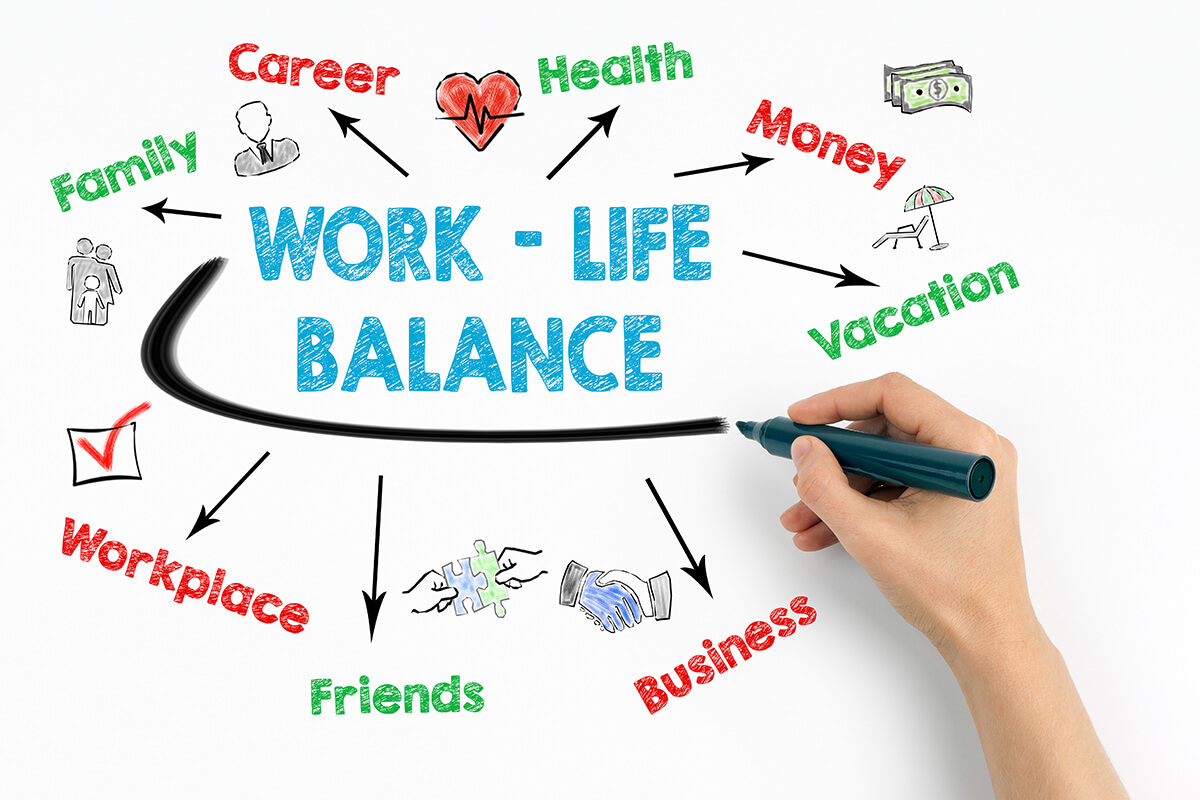
In today’s fast-paced, always-connected society, maintaining a healthy work-life balance can feel like an impossible task. Between career responsibilities, family obligations, and personal goals, it’s easy to become overwhelmed and burnt out. However, prioritizing wellness amidst the busyness isn’t just a luxury—it’s a necessity for long-term health, happiness, and productivity.
Work-life balance means more than dividing hours between the office and home. It’s about creating harmony between your professional ambitions and your personal needs—physically, mentally, and emotionally. When balance is achieved, you can be more focused at work and more present in your personal life.
Why Work-Life Balance Matters
An imbalance between work and personal life can lead to chronic stress, fatigue, strained relationships, and mental health issues such as anxiety and depression. Over time, these effects can contribute to physical health problems like insomnia, heart disease, and weakened immunity. Conversely, a balanced lifestyle fosters resilience, improves mood, and enhances overall well-being.
Strategies for Prioritizing Wellness
1. Set Clear Boundaries
One of the most powerful ways to regain control is by establishing firm boundaries between work and personal time. This might mean:
- Turning off email notifications after hours
- Communicating availability clearly with colleagues
- Designating a specific area at home for work to mentally “clock out” when you’re done
Boundaries protect your personal time and prevent work from bleeding into every corner of your life.
2. Prioritize Your Health
When life gets busy, self-care is often the first thing to be sacrificed. But your physical and mental health must remain a top priority. Make time for:
- Regular exercise (even 20–30 minutes a day can make a difference)
- Nutritious meals
- Quality sleep
- Stress-reducing practices like meditation or journaling
Remember: you can’t pour from an empty cup. Taking care of yourself allows you to give your best in other areas of life.
3. Use Time Wisely
Time management is key to balancing responsibilities. Try:
- Creating daily or weekly to-do lists
- Blocking out time for focused work and for breaks
- Delegating tasks when possible, both at work and home
Being intentional with your time helps reduce overwhelm and increases productivity.
4. Unplug and Be Present
Technology keeps us constantly connected, which can make it hard to truly relax. Set aside moments each day to disconnect from screens and reconnect with yourself or loved ones. This can be as simple as enjoying a device-free dinner, going for a walk, or reading a book.
5. Make Time for Joy
Life isn’t just about work and obligations. Carve out time for activities that bring you happiness and fulfillment—whether it’s a hobby, travel, or spending time with friends and family. Joy is essential for emotional wellness and helps you recharge mentally.
Conclusion
Creating work-life balance isn’t about achieving perfection—it’s about making conscious choices that support your well-being. By setting boundaries, managing time wisely, caring for your health, and prioritizing joy, you can thrive both professionally and personally. In a busy world, balance is not only possible—it’s essential for a healthy, meaningful life.