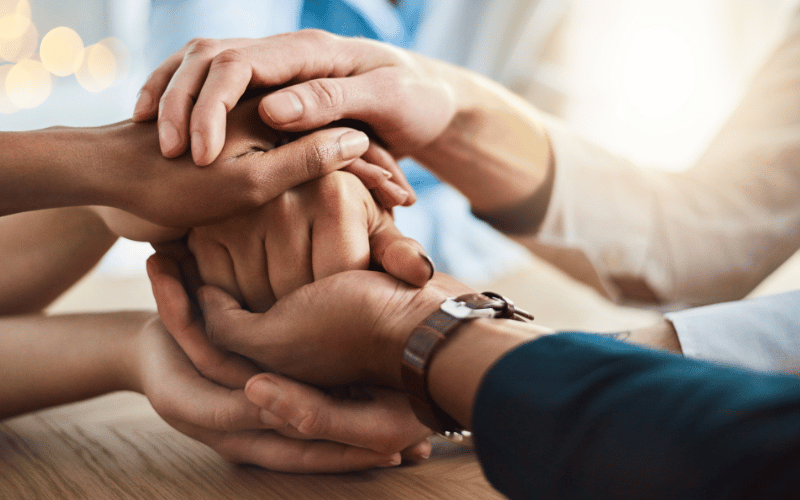
Recovering from mental health challenges or addiction is not a journey meant to be taken alone. Healing requires strength, patience, and consistent support. For many individuals, having a reliable network of friends, family, and professional guidance can make the difference between feeling isolated and finding hope. At the heart of mental wellness is connection — a foundation that empowers individuals to rebuild their lives with confidence and stability.
The Importance of Connection in Recovery
When someone is struggling with anxiety, depression, or addiction, isolation often becomes a barrier to healing. Emotional withdrawal, shame, or fear can make it difficult to reach out for help. Yet, human connection is one of the most powerful tools for recovery. Support systems provide understanding, accountability, and encouragement during times of vulnerability. They remind individuals that they are not defined by their struggles but by their capacity to heal and grow.
The Role of Family Support
Creating a Safe and Understanding Environment
Family members play a crucial role in the recovery process. When families approach mental health and addiction with compassion rather than judgment, they help create an environment where healing can begin. Open communication, empathy, and patience allow individuals to express their feelings without fear or guilt.
Educating and Setting Healthy Boundaries
Families who learn about mental health and addiction gain valuable insight into how to offer the right kind of help. Education helps loved ones set healthy boundaries, avoid enabling behaviors, and encourage accountability. With proper guidance, families become essential partners in recovery rather than silent observers.
The Power of Friendships in Healing
Emotional Encouragement and Motivation
Friends often serve as the first line of emotional support. Whether it is a phone call, a walk, or a shared meal, small acts of care can make a significant difference. Positive friendships help reduce feelings of loneliness and promote a sense of belonging — two key components of mental wellness.
Choosing Supportive Relationships
During recovery, it is important to surround yourself with friends who understand your goals and respect your boundaries. Healthy friendships encourage progress, while toxic or triggering relationships can hinder growth. Selecting supportive people to walk with you on your journey can strengthen your resilience and confidence.
The Role of Therapy in Building Long-Term Stability
Professional Guidance and Emotional Insight
Therapy provides a safe space to explore the root causes of mental health challenges. Licensed therapists use evidence-based approaches to help individuals understand their thoughts, emotions, and behaviors. Whether in an inpatient or outpatient setting, therapy offers practical tools for managing anxiety, depression, and addiction triggers.
Integrating Holistic and Faith-Based Approaches
Combining traditional therapy with holistic and faith-based practices creates a comprehensive approach to healing. Techniques such as mindfulness, meditation, and spiritual reflection help align mental, physical, and emotional well-being. Personalized treatment plans ensure that each person’s unique needs and beliefs are honored throughout the recovery process.
Building a Stronger Support Network
Recovery is most successful when individuals actively build and nurture their support systems. Joining community groups, attending recovery meetings, or participating in faith-based programs can expand one’s circle of understanding and encouragement. Each layer of support reinforces the foundation of mental and emotional stability.
You Do Not Have to Walk Alone
Recovery thrives in connection. With the combined support of friends, family, and professional care, healing becomes not only possible but sustainable. At BestBuyTadalafil.com, we understand that every journey is unique. Our holistic and faith-based treatment programs are designed to meet individuals where they are, providing compassionate, personalized care for lasting recovery. If you or someone you love is struggling, reach out today. Healing begins when you take the first step — and you do not have to take it alone.