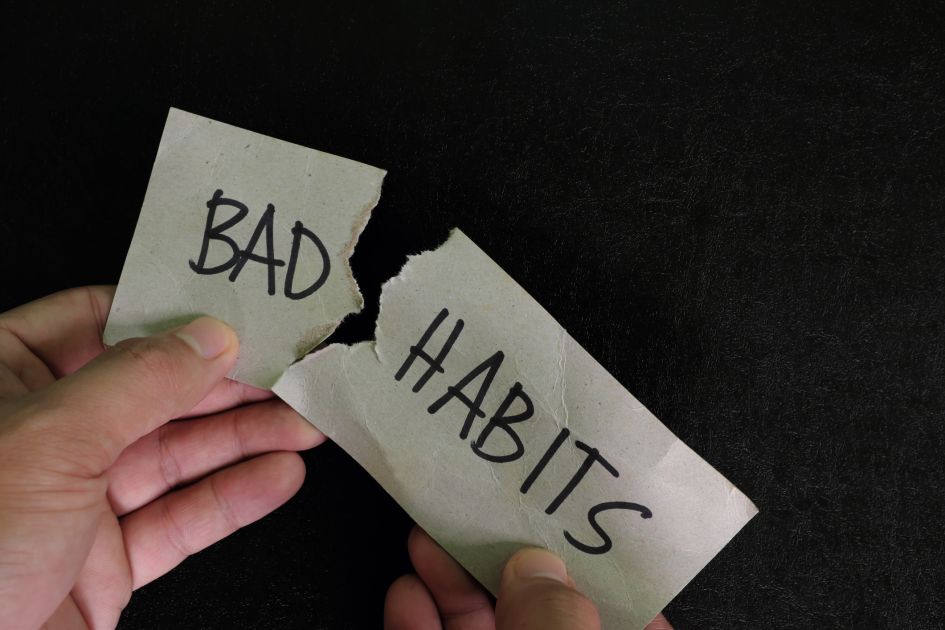
Everyone has habits—some are helpful, and others can be harmful. Whether it’s smoking, overeating, excessive screen time, or substance use, unhealthy behaviors can negatively impact physical health, mental well-being, and relationships. Breaking free from bad habits and addictions is not easy, but it is possible with the right mindset, strategies, and support system. This guide will help you understand why habits form and how you can replace them with healthier alternatives for lasting change.
Understanding the Nature of Habits and Addictions
Habits are behaviors repeated regularly until they become automatic. The brain forms habits through a loop: cue → routine → reward. For example, stress (cue) may lead to smoking (routine) which brings temporary relief (reward). Over time, this loop becomes ingrained.
Addictions follow a similar pattern but are more intense and harder to break. They involve a physical or psychological dependency on substances or behaviors, often used to escape pain, stress, or emotional discomfort. Addiction hijacks the brain’s reward system, making it difficult to stop even when one wants to.
Steps to Break Free from Unhealthy Behaviors
1. Recognize the Habit and Its Impact
The first step is honest self-reflection. What is the habit? When and why do you engage in it? How does it affect your health, relationships, and goals? Awareness is the foundation for change.
2. Identify Triggers
Bad habits are often tied to specific triggers—emotions, environments, or situations. Keep a journal to track when the habit occurs and what triggered it. Understanding these patterns helps you avoid or cope with triggers more effectively.
3. Set Clear, Realistic Goals
Change takes time and patience. Instead of vague goals like “I want to stop drinking,” set a clear, achievable plan: “I will reduce my alcohol intake to two drinks per week for the next month.” Break larger goals into smaller, manageable steps to maintain motivation.
4. Replace the Habit with a Healthier Alternative
Don’t just try to stop a bad habit—replace it. For example:
- Replace smoking with deep breathing or chewing gum.
- Swap junk food with healthier snacks.
- Use a walk or journal to cope with stress instead of drinking or binge-watching TV.
The key is to still satisfy the original need (e.g., stress relief or boredom) in a healthier way.
5. Seek Support
You don’t have to do it alone. Talk to trusted friends or family members, join a support group, or work with a counselor or therapist. Support systems provide encouragement, accountability, and understanding during tough times.
6. Be Patient and Kind to Yourself
Breaking bad habits is a process, not an overnight fix. Setbacks are normal—what matters is your willingness to keep trying. Celebrate small wins, and don’t let guilt or shame derail your progress. Self-compassion fuels resilience.
Conclusion
Overcoming bad habits and addictions is one of the most empowering things you can do for your well-being. With awareness, intention, and support, change is always possible. Each healthy choice you make builds momentum toward a better, freer version of yourself. Remember: you are stronger than your habits, and every step forward counts.