In today’s fast-paced world, anxiety and depression have become increasingly common challenges. For individuals navigating addiction recovery or managing mental health concerns, these emotional struggles can feel overwhelming. Mindfulness offers a practical and compassionate approach to managing these feelings, allowing individuals to regain calm, build resilience, and foster long-term emotional well-being. By integrating simple mindfulness practices into daily life, recovery becomes more balanced, focused, and sustainable.
Understanding Mindfulness and Its Benefits
Mindfulness is the practice of paying full attention to the present moment without judgment. It encourages awareness of thoughts, feelings, and bodily sensations while reducing the habit of ruminating on the past or worrying about the future. For people in recovery, mindfulness can provide a valuable tool to navigate triggers, stress, and emotional discomfort.
How Mindfulness Supports Mental Health
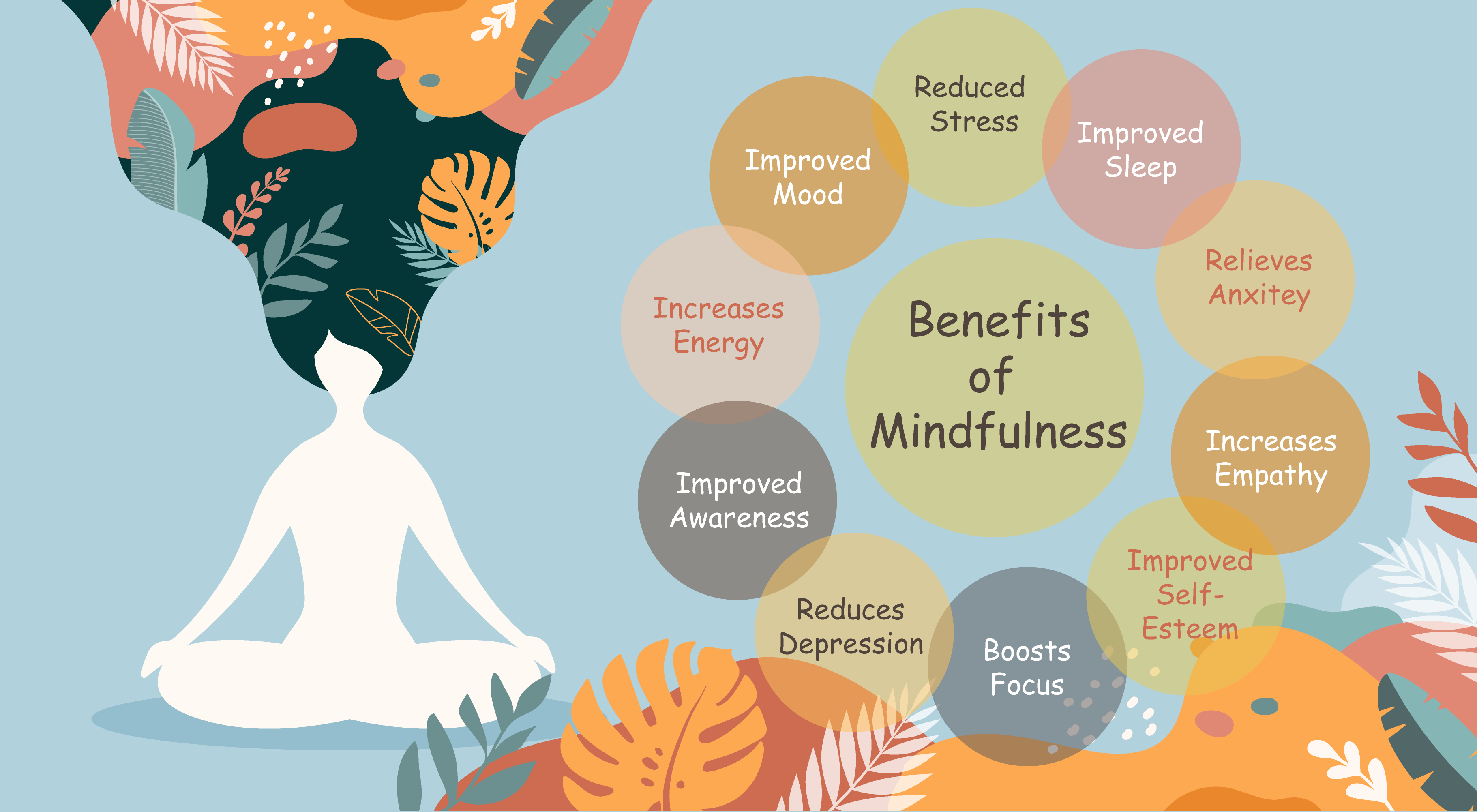
Mindfulness has been shown to reduce symptoms of anxiety and depression by improving emotional regulation and increasing self-compassion. It strengthens the connection between mind and body, allowing individuals to respond to challenging situations with clarity rather than reacting impulsively. Additionally, mindfulness promotes better sleep, increased focus, and reduced stress, all of which are critical for successful recovery.
Simple Mindfulness Practices for Daily Life
Incorporating mindfulness does not require complex routines or extensive training. Small, consistent practices can create significant positive change.
1. Mindful Breathing
Focus on your breath as it flows in and out. Pay attention to the sensation of air entering your nose, filling your lungs, and leaving your body. Even a few minutes of mindful breathing each day can lower stress hormone levels and ground you in the present moment.
2. Body Scan Meditation
Take a few minutes to mentally scan your body from head to toe. Notice areas of tension or discomfort and breathe into them. This practice encourages relaxation, improves awareness of physical sensations, and helps release stored stress.
3. Observing Thoughts Without Judgment
When anxious or depressive thoughts arise, observe them as if they are passing clouds rather than facts. Labeling thoughts without judgment helps reduce their intensity and prevents them from dictating behavior.
4. Mindful Walking
Turn a simple walk into a mindful experience by noticing the sensations of each step, the movement of your muscles, and the sounds around you. Mindful walking combines gentle exercise with present-moment awareness, benefiting both body and mind.
5. Gratitude Journaling
Writing down things you are grateful for each day cultivates a positive mindset. Focusing on small, positive aspects of life can counterbalance negative thoughts and reinforce recovery goals.
Integrating Mindfulness into Recovery
Mindfulness complements professional treatment for mental health and addiction. Inpatient and outpatient programs often incorporate holistic approaches that include meditation, yoga, and mindful reflection. Faith-based practices may also align with mindfulness, offering spiritual grounding alongside emotional support.
Taking the Next Step
Mindfulness is not a quick fix, but a gradual and powerful tool for mental health. By practicing simple daily techniques, individuals can reduce anxiety, ease depressive symptoms, and strengthen resilience in recovery. If you or a loved one are struggling with mental health challenges or addiction, consider reaching out to a trusted treatment center that offers holistic, individualized care. Mindfulness, combined with professional guidance, can create a foundation for lasting peace, focus, and emotional well-being.