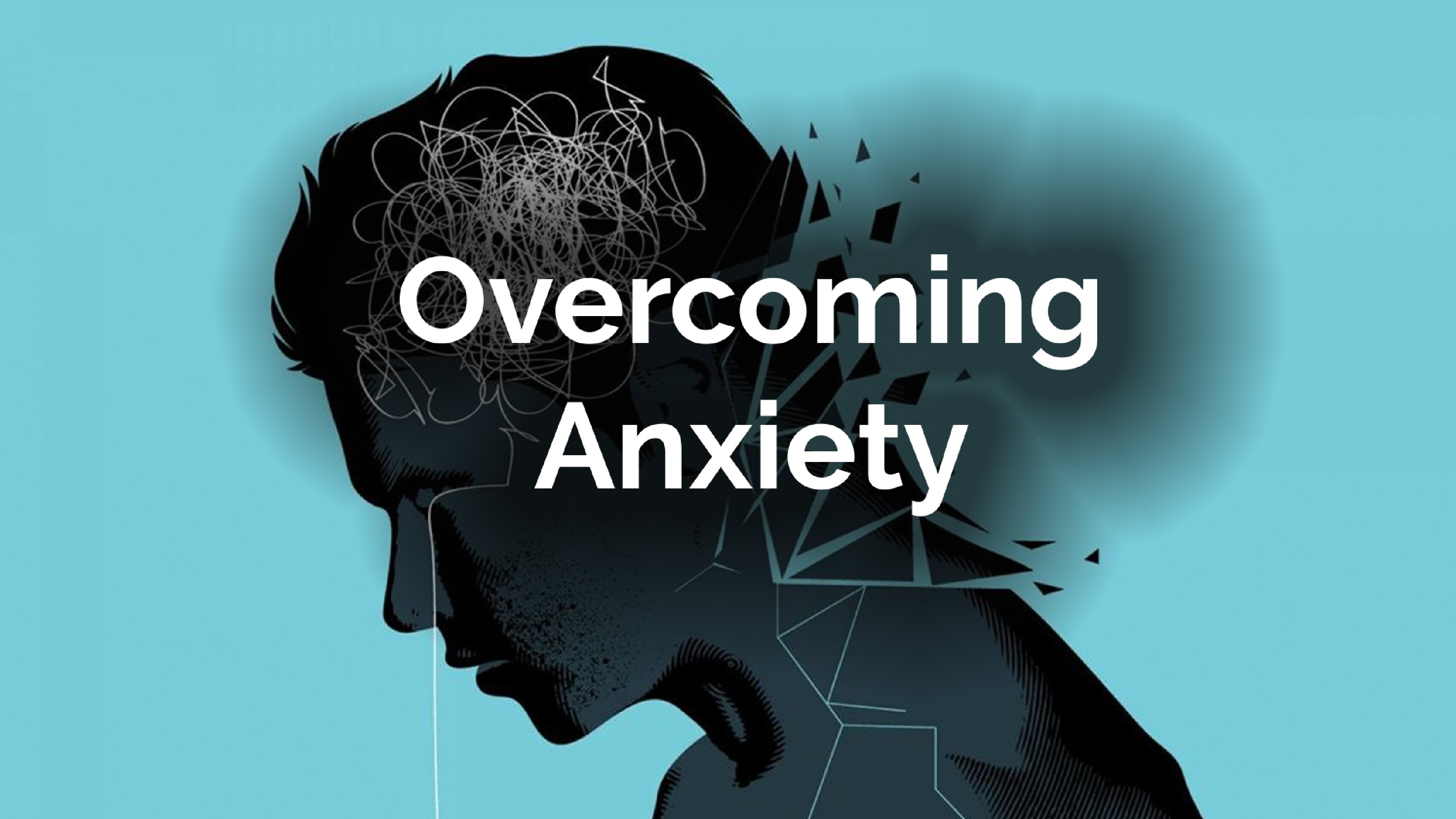
Anxiety can feel like an uninvited shadow that follows you through every moment of the day. For those navigating addiction recovery, it can be even more challenging, often triggered by past experiences, uncertainty about the future, or the emotional work involved in healing. The good news is that anxiety does not have to control your life. With the right daily techniques, you can regain a sense of calm, build resilience, and take steady steps toward long-term recovery.
Understanding Anxiety in Recovery
Anxiety is more than occasional nervousness. In recovery, it can manifest as constant restlessness, racing thoughts, and difficulty sleeping. It may be tied to withdrawal, past trauma, or the pressure of maintaining sobriety. Left unchecked, it can become a barrier to progress. Recognizing that anxiety is a normal, treatable response is the first step toward managing it effectively.
Building a Strong Daily Routine
Consistency is one of the most powerful tools against anxiety. When your mind knows what to expect, it can feel more secure and less reactive to stressors.
Practice Mindful Mornings
Start your day with intention rather than rushing into obligations. A few minutes of deep breathing, prayer, or meditation can ground your mind. This sets a calm tone for the hours ahead and helps prevent stress from spiraling.
Prioritize Physical Movement
Exercise is a natural anxiety reducer. Activities like walking, stretching, yoga, or swimming release endorphins that boost mood and focus. Even ten minutes of movement can make a difference in how you handle challenges throughout the day.
Managing Thoughts and Emotions
Negative thought patterns can feed anxiety, but learning to redirect them is a skill you can strengthen over time.
Journaling for Clarity
Writing down your thoughts helps you process emotions and separate facts from fears. Journaling can reveal patterns and triggers, giving you insight into how to respond more effectively.
Reframing Stressful Situations
When anxiety builds, pause and ask yourself: “Is this thought helping me heal or holding me back?” By reframing challenges as opportunities for growth, you give yourself the power to choose how you respond.
The Role of Support Systems
Anxiety can be isolating, but recovery thrives on connection. Surround yourself with supportive friends, family, counselors, or recovery groups who understand your journey. Professional treatment programs that combine mental health care with holistic healing can provide tailored strategies for managing anxiety.
Holistic and Faith-Based Approaches
For many, faith-based practices offer strength and perspective during anxious moments. Prayer, scripture study, and mindfulness can work alongside clinical therapies to create a balanced path to wellness. Holistic care, which addresses mind, body, and spirit, can include nutrition guidance, meditation, and relaxation techniques that reinforce emotional stability.
Taking the Next Step
Anxiety does not have to be a permanent part of your story. By using practical daily techniques, leaning on a strong support system, and seeking professional guidance when needed, you can regain calm and control in your life. If anxiety is affecting your recovery, reach out to a trusted treatment center that understands both the emotional and physical challenges of healing. Your peace of mind is worth the effort, and with the right help, it is within your reach.