Work-Life Balance: How to Prioritize Wellness in a Busy World

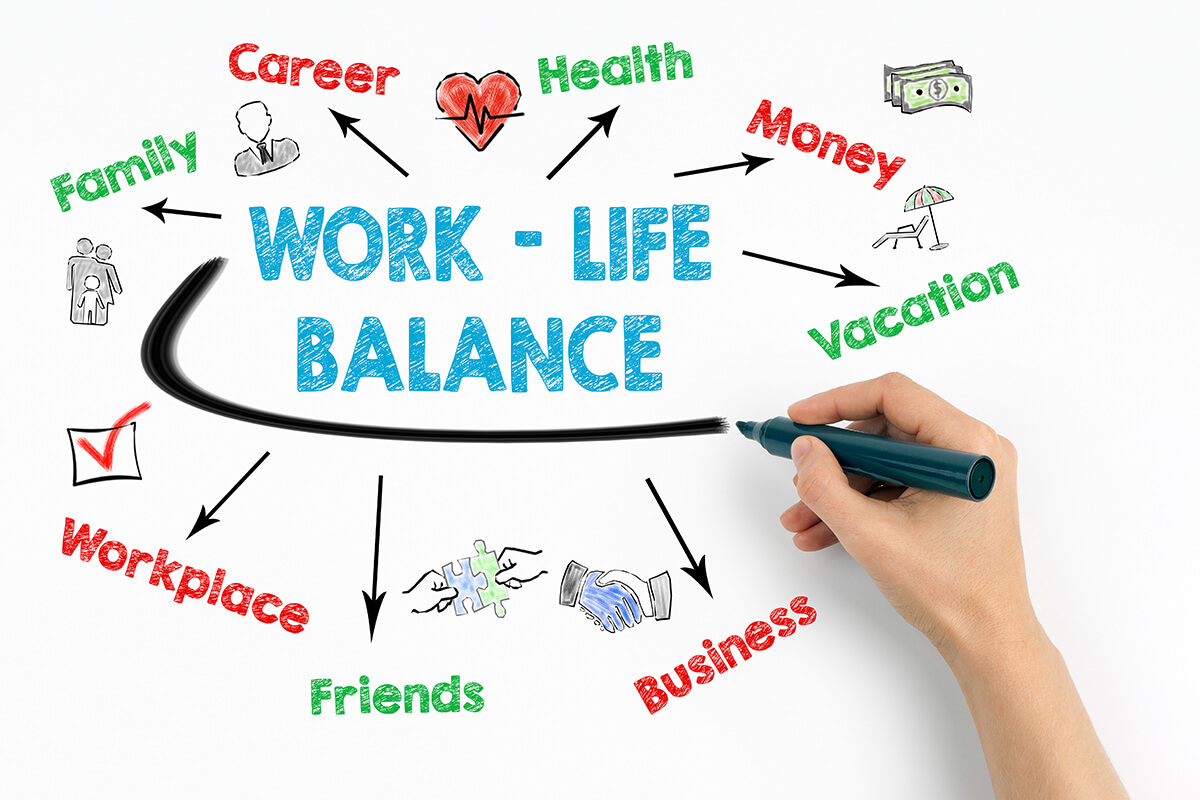
In today’s fast-paced, always-connected society, maintaining a healthy work-life balance can feel like an impossible task. Between career responsibilities, family obligations, and personal goals, it’s easy to become overwhelmed and burnt out. However, prioritizing wellness amidst the busyness isn’t just a luxury—it’s a necessity for long-term health, happiness, and productivity.

Work-life balance means more than dividing hours between the office and home. It’s about creating harmony between your professional ambitions and your personal needs—physically, mentally, and emotionally. When balance is achieved, you can be more focused at work and more present in your personal life.

Why Work-Life Balance Matters

An imbalance between work and personal life can lead to chronic stress, fatigue, strained relationships, and mental health issues such as anxiety and depression. Over time, these effects can contribute to physical health problems like insomnia, heart disease, and weakened immunity. Conversely, a balanced lifestyle fosters resilience, improves mood, and enhances overall well-being.

Strategies for Prioritizing Wellness

1. Set Clear Boundaries

One of the most powerful ways to regain control is by establishing firm boundaries between work and personal time. This might mean:

  • Turning off email notifications after hours
  • Communicating availability clearly with colleagues
  • Designating a specific area at home for work to mentally “clock out” when you’re done

Boundaries protect your personal time and prevent work from bleeding into every corner of your life.

2. Prioritize Your Health

When life gets busy, self-care is often the first thing to be sacrificed. But your physical and mental health must remain a top priority. Make time for:

  • Regular exercise (even 20–30 minutes a day can make a difference)
  • Nutritious meals
  • Quality sleep
  • Stress-reducing practices like meditation or journaling

Remember: you can’t pour from an empty cup. Taking care of yourself allows you to give your best in other areas of life.

3. Use Time Wisely

Time management is key to balancing responsibilities. Try:

  • Creating daily or weekly to-do lists
  • Blocking out time for focused work and for breaks
  • Delegating tasks when possible, both at work and home

Being intentional with your time helps reduce overwhelm and increases productivity.

4. Unplug and Be Present

Technology keeps us constantly connected, which can make it hard to truly relax. Set aside moments each day to disconnect from screens and reconnect with yourself or loved ones. This can be as simple as enjoying a device-free dinner, going for a walk, or reading a book.

5. Make Time for Joy

Life isn’t just about work and obligations. Carve out time for activities that bring you happiness and fulfillment—whether it’s a hobby, travel, or spending time with friends and family. Joy is essential for emotional wellness and helps you recharge mentally.

Conclusion

Creating work-life balance isn’t about achieving perfection—it’s about making conscious choices that support your well-being. By setting boundaries, managing time wisely, caring for your health, and prioritizing joy, you can thrive both professionally and personally. In a busy world, balance is not only possible—it’s essential for a healthy, meaningful life.

Preventative Health: How to Stay Ahead of Illness and Disease

In the modern world, where chronic diseases and lifestyle-related illnesses are on the rise, preventative health has become more important than ever. Instead of waiting for sickness to strike, preventative health focuses on proactive steps to maintain wellness and avoid illness before it starts. By making informed choices and establishing healthy routines, you can strengthen your body, improve longevity, and enjoy a higher quality of life.

What Is Preventative Health?

Preventative health refers to measures taken to prevent the onset of disease or detect it early when it is most treatable. It includes practices like regular screenings, vaccinations, healthy lifestyle habits, and risk management. This approach empowers individuals to take control of their health and reduces the burden of disease on society and healthcare systems.

There are three levels of prevention:

  • Primary prevention: Avoiding disease before it occurs (e.g., vaccines, healthy eating, regular exercise).
  • Secondary prevention: Detecting conditions early (e.g., screenings, blood tests, routine checkups).
  • Tertiary prevention: Managing and minimizing the impact of chronic diseases (e.g., physical therapy, medication, lifestyle changes).

The Pillars of Preventative Health

1. Regular Health Screenings

Routine checkups and screenings help detect diseases like high blood pressure, diabetes, cancer, and cholesterol issues before they become severe. Based on your age, sex, and family history, your doctor can recommend specific tests such as mammograms, colonoscopies, or blood panels.

2. Vaccinations

Vaccines are one of the most effective tools for preventing infectious diseases. Staying up to date with vaccinations—such as the flu shot, COVID-19 booster, and others—protects both you and those around you by reducing the spread of illness.

3. Healthy Nutrition

A balanced diet rich in fruits, vegetables, whole grains, lean proteins, and healthy fats provides essential nutrients that support your immune system and reduce the risk of chronic diseases. Reducing processed foods, sugar, and excess salt also helps prevent obesity, heart disease, and diabetes.

4. Regular Physical Activity

Exercise is vital for maintaining a healthy heart, strong bones, and a balanced weight. It also reduces the risk of conditions like depression and anxiety. Aim for at least 150 minutes of moderate activity per week, such as brisk walking, cycling, or swimming.

5. Adequate Sleep and Stress Management

Lack of sleep and chronic stress can weaken your immune system and lead to long-term health problems. Prioritizing 7–9 hours of quality sleep and practicing stress-reducing techniques like meditation, yoga, or deep breathing are essential to overall well-being.

6. Avoiding Harmful Behaviors

Avoid tobacco, limit alcohol consumption, and reduce exposure to environmental toxins. These steps can significantly lower your risk of developing serious health issues, including cancer and respiratory diseases.

Conclusion

Preventative health is not about fear—it’s about empowerment. By taking small, consistent actions each day, you can prevent many illnesses, detect problems early, and enjoy a healthier, longer life. Your future health begins with today’s decisions, so choose wisely and take proactive steps toward lifelong wellness. A little prevention now can lead to a lot of freedom later.

Breaking Bad Habits: A Guide to Overcoming Addictions and Unhealthy Behaviors

Everyone has habits—some are helpful, and others can be harmful. Whether it’s smoking, overeating, excessive screen time, or substance use, unhealthy behaviors can negatively impact physical health, mental well-being, and relationships. Breaking free from bad habits and addictions is not easy, but it is possible with the right mindset, strategies, and support system. This guide will help you understand why habits form and how you can replace them with healthier alternatives for lasting change.

Understanding the Nature of Habits and Addictions

Habits are behaviors repeated regularly until they become automatic. The brain forms habits through a loop: cue → routine → reward. For example, stress (cue) may lead to smoking (routine) which brings temporary relief (reward). Over time, this loop becomes ingrained.

Addictions follow a similar pattern but are more intense and harder to break. They involve a physical or psychological dependency on substances or behaviors, often used to escape pain, stress, or emotional discomfort. Addiction hijacks the brain’s reward system, making it difficult to stop even when one wants to.

Steps to Break Free from Unhealthy Behaviors

1. Recognize the Habit and Its Impact

The first step is honest self-reflection. What is the habit? When and why do you engage in it? How does it affect your health, relationships, and goals? Awareness is the foundation for change.

2. Identify Triggers

Bad habits are often tied to specific triggers—emotions, environments, or situations. Keep a journal to track when the habit occurs and what triggered it. Understanding these patterns helps you avoid or cope with triggers more effectively.

3. Set Clear, Realistic Goals

Change takes time and patience. Instead of vague goals like “I want to stop drinking,” set a clear, achievable plan: “I will reduce my alcohol intake to two drinks per week for the next month.” Break larger goals into smaller, manageable steps to maintain motivation.

4. Replace the Habit with a Healthier Alternative

Don’t just try to stop a bad habit—replace it. For example:

  • Replace smoking with deep breathing or chewing gum.
  • Swap junk food with healthier snacks.
  • Use a walk or journal to cope with stress instead of drinking or binge-watching TV.

The key is to still satisfy the original need (e.g., stress relief or boredom) in a healthier way.

5. Seek Support

You don’t have to do it alone. Talk to trusted friends or family members, join a support group, or work with a counselor or therapist. Support systems provide encouragement, accountability, and understanding during tough times.

6. Be Patient and Kind to Yourself

Breaking bad habits is a process, not an overnight fix. Setbacks are normal—what matters is your willingness to keep trying. Celebrate small wins, and don’t let guilt or shame derail your progress. Self-compassion fuels resilience.

Conclusion

Overcoming bad habits and addictions is one of the most empowering things you can do for your well-being. With awareness, intention, and support, change is always possible. Each healthy choice you make builds momentum toward a better, freer version of yourself. Remember: you are stronger than your habits, and every step forward counts.

Holistic Health: The Connection Between Mind, Body, and Spirit

Health is more than just the absence of disease; it is a vibrant state of balance between the mind, body, and spirit. Holistic health embraces the idea that these three elements are interconnected, and that true wellness comes from nurturing all aspects of ourselves. When one part is out of alignment, it affects the others. By understanding and honoring this connection, we can achieve deeper healing, greater vitality, and a more fulfilling life.

Understanding Holistic Health

Holistic health is a comprehensive approach that considers the whole person, not just isolated symptoms or conditions. It recognizes that emotional well-being, physical health, and spiritual fulfillment are deeply linked. Unlike traditional medicine, which often focuses solely on treating physical symptoms, holistic health emphasizes prevention, balance, and self-care.

Practices like meditation, yoga, acupuncture, nutrition, energy healing, and counseling are all part of holistic care. These methods aim not only to relieve symptoms but to address the root causes of imbalance and promote overall harmony.

The Mind-Body-Spirit Connection

  • Mind – Our thoughts, emotions, and mental habits have a profound impact on our physical health. Chronic stress, negative thinking, and unresolved emotions can lead to physical symptoms like headaches, fatigue, and digestive issues. On the other hand, a positive outlook and emotional resilience can strengthen the immune system and promote healing.
  • Body – Physical health lays the foundation for mental clarity and emotional balance. Regular exercise, good nutrition, proper sleep, and preventive care keep the body strong and support mental and spiritual well-being.
  • Spirit – Spiritual health is about finding meaning, purpose, and a sense of connection—whether that’s through religion, meditation, nature, or community. A nourished spirit can provide strength in difficult times and a deeper sense of peace and joy.

When all three aspects are nurtured, we feel more whole, energized, and resilient.

Practical Ways to Cultivate Holistic Health

Integrating holistic practices into your daily life doesn’t have to be complicated. Small, intentional steps can make a big difference:

  • Mindfulness and Meditation – Spend a few minutes each day quieting your mind. Mindfulness can reduce stress, improve focus, and foster emotional balance.
  • Move Your Body – Choose forms of exercise you enjoy, whether it’s yoga, dancing, walking, or strength training. Movement keeps the body strong and releases feel-good endorphins.
  • Eat for Nourishment – Focus on whole, natural foods that fuel your body and mind. Eating mindfully also helps foster a healthier relationship with food.
  • Connect with Others – Nurture relationships that lift you up. Community and meaningful connections are vital to emotional and spiritual health.
  • Find Purpose – Engage in activities that align with your values and passions. A sense of purpose gives life meaning and enriches your spirit.
  • Practice Gratitude – Regularly reflecting on what you are thankful for can shift your mindset and improve emotional well-being.

Conclusion

Holistic health reminds us that true wellness comes from nurturing every part of ourselves—mind, body, and spirit. By embracing this interconnected approach, we create a foundation for lasting health, greater joy, and a deeper connection to ourselves and the world around us. Wellness is not a destination; it’s a journey of balance, awareness, and self-care.

The Science of Sleep: How to Improve Rest for Better Health

Sleep is one of the most essential pillars of good health, yet it is often the most neglected. In our busy, fast-paced lives, sleep tends to fall to the bottom of the priority list. However, quality sleep plays a critical role in physical, mental, and emotional well-being. Understanding the science behind sleep and learning how to improve it can lead to better focus, stronger immunity, balanced moods, and overall improved health.

Why Sleep Matters

Sleep is not just a passive state of rest—it is a highly active process during which the body and brain perform vital functions. While you sleep, your brain processes information, forms memories, and clears out toxins. Meanwhile, your body works to repair muscles, regulate hormones, and strengthen the immune system.

Lack of sleep can lead to a host of health issues, including:

  • Weakened immune function

  • Increased risk of heart disease and diabetes

  • Weight gain and poor metabolism

  • Impaired memory and concentration

  • Mood disorders such as anxiety and depression

For most adults, 7 to 9 hours of quality sleep per night is recommended.

The Sleep Cycle Explained

Sleep occurs in cycles that repeat every 90 minutes and include four stages:

  1. Light Sleep (Stages 1 and 2): Your body begins to relax, and your heart rate slows.

  2. Deep Sleep (Stage 3): This is the most restorative phase, essential for physical recovery and immune health.

  3. REM Sleep (Stage 4): Rapid Eye Movement (REM) sleep is when most dreaming occurs. It plays a key role in memory and emotional processing.

Each stage serves a unique purpose, and cycling through them properly is key to feeling refreshed.

Tips to Improve Your Sleep Quality

Improving your sleep is about creating an environment and routine that encourages restful, uninterrupted rest. Here are some science-backed strategies:

  • Stick to a Schedule – Go to bed and wake up at the same time every day, even on weekends. This helps regulate your internal body clock.

  • Create a Sleep-Friendly Environment – Keep your bedroom cool, dark, and quiet. Use blackout curtains, earplugs, or white noise if needed.

  • Limit Screen Time Before Bed – The blue light from phones, tablets, and TVs can disrupt melatonin production. Try unplugging at least an hour before bedtime.

  • Avoid Stimulants in the Evening – Caffeine, nicotine, and heavy meals can interfere with your ability to fall asleep.

  • Wind Down with a Routine – Calming activities like reading, meditating, or taking a warm bath can signal to your body that it’s time to sleep.

  • Exercise Regularly – Physical activity promotes better sleep, but avoid intense workouts right before bed.

When to Seek Help

If you consistently struggle with sleep despite following healthy habits, it may be time to consult a healthcare provider. Conditions like insomnia, sleep apnea, and restless leg syndrome can interfere with rest and may require professional treatment.

Conclusion

Good sleep is not a luxury—it’s a necessity for optimal health. By understanding how sleep works and adopting better habits, you can improve your rest, boost your energy, and enhance your overall quality of life. Prioritize sleep, and your mind and body will thank you.

Mental Health Matters: Strategies for Managing Stress, Anxiety, and Depression

Mental health is a crucial part of overall well-being, yet stress, anxiety, and depression are increasingly common in today’s fast-paced world. These conditions can affect relationships, work performance, and physical health if left unmanaged. However, by incorporating practical strategies into daily life, individuals can build resilience, regain control, and improve their mental health.

Understanding Stress, Anxiety, and Depression

  • Stress is the body’s response to challenges or demands. While some stress is normal, chronic stress can lead to burnout, sleep problems, and health issues.

  • Anxiety is characterized by excessive worry or fear about future events, which can result in restlessness, difficulty concentrating, and physical symptoms like a racing heart.

  • Depression involves persistent sadness, loss of interest in activities, and feelings of hopelessness. It can be triggered by life events, chemical imbalances, or underlying health conditions.

Recognizing these conditions is the first step toward managing them effectively.

Strategies for Managing Stress

Chronic stress can negatively impact mental and physical health, but these strategies can help manage it:

  • Practice Relaxation Techniques – Deep breathing, meditation, and yoga help calm the mind and reduce stress levels.

  • Exercise Regularly – Physical activity releases endorphins, the body’s natural stress relievers, and improves overall mood.

  • Prioritize Sleep – Lack of sleep can make stress worse. Aim for 7-9 hours of quality sleep each night.

  • Time Management – Breaking tasks into smaller steps and setting realistic goals can prevent feeling overwhelmed.

  • Set Boundaries – Learn to say no to unnecessary commitments and create a healthy work-life balance.

Coping with Anxiety

Anxiety can feel overwhelming, but there are ways to manage it effectively:

  • Identify Triggers – Keeping a journal can help recognize situations that cause anxiety and develop coping strategies.

  • Challenge Negative Thoughts – Replacing irrational fears with positive affirmations can reduce anxious feelings.

  • Practice Grounding Techniques – Engaging the senses, such as touching an object or focusing on deep breathing, can bring attention back to the present moment.

  • Reduce Stimulants – Limiting caffeine, alcohol, and sugar can prevent anxiety from worsening.

  • Seek Support – Talking to a trusted friend, therapist, or support group can provide reassurance and guidance.

Managing Depression with Healthy Habits

Depression can make daily life feel exhausting, but small lifestyle changes can help improve mood:

  • Maintain a Routine – A structured daily schedule can create stability and provide motivation.

  • Stay Connected – Socializing, even in small ways, can reduce feelings of isolation and improve emotional well-being.

  • Engage in Enjoyable Activities – Hobbies, outdoor activities, and creative outlets can boost mood and provide a sense of purpose.

  • Focus on Nutrition – Eating a balanced diet with whole foods, healthy fats, and lean proteins can support brain health.

  • Consider Professional Help – Therapy and, in some cases, medication can provide essential support for managing depression.

Conclusion

Mental health matters, and managing stress, anxiety, and depression is essential for a fulfilling life. By incorporating relaxation techniques, maintaining healthy habits, and seeking support, individuals can build resilience and improve their well-being. Remember, you are not alone—help and resources are always available to support your mental health journey.

Mental Health Matters: Strategies for Managing Stress, Anxiety, and Depression

Mental health is just as important as physical health, yet it is often overlooked. Stress, anxiety, and depression are common challenges that can affect every aspect of life, from work and relationships to overall well-being. While these mental health concerns can feel overwhelming, there are effective strategies to manage them and improve emotional resilience. By adopting healthy habits, seeking support, and practicing self-care, you can take control of your mental well-being and lead a more balanced life.

1. Understanding Stress, Anxiety, and Depression

Stress, anxiety, and depression are interconnected but distinct conditions:

  • Stress is the body’s natural response to pressure or challenges. While short-term stress can be motivating, chronic stress can lead to burnout and health problems.
  • Anxiety involves excessive worry or fear, often about future events or uncertainties. It can be mild or severe, interfering with daily life.
  • Depression is a persistent feeling of sadness, hopelessness, or lack of interest in activities once enjoyed. It can be caused by a combination of biological, psychological, and environmental factors.

Recognizing the signs of these conditions is the first step toward managing them effectively.

2. Practical Strategies for Managing Stress

Since stress is a normal part of life, learning to manage it effectively is crucial. Here are some techniques:

  • Practice Mindfulness and Meditation – Deep breathing, meditation, and mindfulness exercises help calm the nervous system and promote relaxation.
  • Prioritize Time Management – Organizing tasks, setting realistic goals, and taking breaks can prevent feelings of being overwhelmed.
  • Engage in Physical Activity – Exercise releases endorphins, which reduce stress and improve mood. Activities like walking, yoga, or dancing can be particularly effective.
  • Establish Boundaries – Learn to say no to excessive demands and set limits on work and social obligations to avoid burnout.

3. Coping with Anxiety

Anxiety can make daily life feel overwhelming, but the following strategies can help manage it:

  • Challenge Negative Thoughts – Recognize irrational fears and replace them with more realistic, positive thoughts.
  • Practice Grounding Techniques – Engaging the senses, such as focusing on deep breathing or holding a comforting object, can help bring the mind back to the present moment.
  • Limit Caffeine and Sugar – Excessive caffeine and sugar intake can increase nervousness and trigger anxiety. Opt for herbal teas or balanced meals instead.
  • Seek Support – Talking to a trusted friend, therapist, or support group can provide reassurance and new perspectives.

4. Managing Depression with Healthy Habits

Depression can make even simple tasks feel difficult, but small lifestyle changes can lead to gradual improvement:

  • Maintain a Routine – Creating a structured daily schedule can provide a sense of stability and purpose.
  • Get Enough Sleep – Lack of sleep can worsen depression. Aim for 7-9 hours of quality sleep each night.
  • Stay Connected – Social isolation can intensify depressive feelings. Even small interactions, like texting a friend or joining a support group, can help.
  • Engage in Enjoyable Activities – Hobbies, creative outlets, and outdoor activities can bring joy and boost mood.

Conclusion

Managing stress, anxiety, and depression requires a combination of self-care, lifestyle changes, and support. While these challenges can be difficult, they are not impossible to overcome. By implementing healthy coping strategies, seeking help when needed, and prioritizing mental well-being, you can build resilience and lead a more fulfilling life. Remember, you are not alone, and help is always available.

Exercise for Life: How to Create a Sustainable Fitness Routine

Regular exercise is essential for maintaining good health, boosting energy levels, and improving mental well-being. However, many people struggle to stick to a fitness routine due to lack of time, motivation, or unrealistic goals. The key to lifelong fitness is creating a sustainable exercise routine—one that is enjoyable, flexible, and tailored to your needs. By finding activities you love and incorporating them into your lifestyle, you can stay active for life.

1. Finding the Right Exercise for You

The best workout routine is the one you enjoy and can stick with long-term. To make exercise a lasting habit, choose activities that fit your interests, schedule, and fitness level.

  • Cardiovascular Exercise – Activities like walking, jogging, cycling, swimming, or dancing improve heart health and endurance.
  • Strength Training – Lifting weights or doing bodyweight exercises like push-ups and squats strengthens muscles and bones, reducing the risk of injury.
  • Flexibility and Mobility Work – Yoga, stretching, and foam rolling help improve flexibility, prevent injuries, and promote relaxation.
  • Functional Fitness – Activities like hiking, gardening, or playing sports improve overall strength and coordination in everyday movements.

2. Setting Realistic and Achievable Goals

Many people quit exercising because they set unrealistic goals or expect quick results. Instead of aiming for drastic changes, focus on small, achievable steps that lead to long-term success.

  • Start Small – If you’re new to exercise, begin with short sessions (10-15 minutes) and gradually increase duration and intensity.
  • Set SMART Goals – Make your goals Specific, Measurable, Achievable, Relevant, and Time-bound. For example, “I will walk for 30 minutes, five days a week.”
  • Track Your Progress – Use a journal, fitness app, or wearable device to monitor your workouts and celebrate milestones.

3. Creating a Balanced and Sustainable Routine

To maintain a lifelong fitness habit, your routine should be balanced, enjoyable, and adaptable.

  • Mix It Up – Avoid boredom by incorporating different types of workouts. Try strength training one day, yoga the next, and a fun activity like dancing on another.
  • Schedule Workouts Like Appointments – Treat exercise as a non-negotiable part of your day by setting aside dedicated time for it.
  • Listen to Your Body – Rest and recovery are just as important as exercise. Allow time for muscle recovery and avoid overtraining to prevent burnout or injury.
  • Stay Flexible – Life can be unpredictable, so be willing to modify your routine. If you miss a workout, don’t stress—just get back on track the next day.

4. Staying Motivated for the Long Term

Motivation can fluctuate, but developing habits and finding support can help you stay consistent.

  • Find an Accountability Partner – Exercising with a friend or joining a class can keep you motivated and committed.
  • Make It Fun – Choose activities you enjoy rather than forcing yourself into workouts you dislike.
  • Reward Yourself – Celebrate milestones with non-food rewards like new workout gear, a relaxing massage, or a fun outing.
  • Focus on the Benefits – Remind yourself why you started—better health, more energy, reduced stress, and improved mood.

Conclusion

A sustainable fitness routine is not about short-term results but about making movement a natural part of your lifestyle. By choosing enjoyable activities, setting realistic goals, and staying flexible, you can build a fitness habit that lasts a lifetime. Prioritize consistency over perfection, and embrace exercise as a lifelong journey toward better health and happiness.

The Ultimate Nutrition Guide: Eating for Energy, Longevity, and Wellness

Proper nutrition is the foundation of a healthy life. The foods you eat influence your energy levels, immune system, and overall well-being. A well-balanced diet not only fuels your body but also enhances longevity, preventing chronic diseases like diabetes, heart disease, and obesity. By making mindful food choices, you can optimize your health and sustain vitality for years to come.

1. Eating for Energy: The Power of Nutrient-Dense Foods

To maintain high energy levels throughout the day, it’s important to consume foods that provide steady, long-lasting fuel. The key is to focus on nutrient-dense foods that contain a balance of macronutrients—carbohydrates, proteins, and fats—along with essential vitamins and minerals.

  • Complex Carbohydrates – Carbs are the body’s primary energy source, but not all carbs are created equal. Choose whole grains like quinoa, brown rice, and oats instead of refined grains to avoid energy crashes.
  • Lean Proteins – Protein supports muscle repair and keeps you feeling full longer. Incorporate lean sources like chicken, fish, tofu, beans, and eggs.
  • Healthy Fats – Fats provide long-lasting energy and support brain health. Opt for sources like avocados, nuts, seeds, and olive oil.
  • Hydration – Water is essential for digestion, circulation, and energy production. Dehydration can lead to fatigue, so aim for at least 8 glasses of water per day.

2. Eating for Longevity: Anti-Inflammatory and Immune-Boosting Foods

A diet rich in anti-inflammatory foods can reduce the risk of chronic illnesses and promote longevity. These foods help combat oxidative stress, which contributes to aging and disease.

  • Colorful Fruits and Vegetables – Dark leafy greens, berries, carrots, and tomatoes are packed with antioxidants that fight free radicals and reduce inflammation.
  • Omega-3 Fatty Acids – Found in fatty fish (salmon, mackerel), flaxseeds, and walnuts, omega-3s support heart and brain health.
  • Fermented Foods – Probiotic-rich foods like yogurt, kimchi, sauerkraut, and kefir promote gut health, which is crucial for immunity and digestion.
  • Herbs and Spices – Turmeric, ginger, garlic, and cinnamon have powerful anti-inflammatory and immune-boosting properties.

3. Eating for Wellness: Building a Sustainable and Balanced Diet

Wellness is about maintaining a diet that is both nourishing and enjoyable. Instead of restrictive dieting, focus on balance and moderation.

  • The 80/20 Rule – Eat nutrient-dense foods 80% of the time and allow room for indulgences 20% of the time. This promotes long-term sustainability.
  • Mindful Eating – Slow down and pay attention to your body’s hunger and fullness cues. This helps prevent overeating and improves digestion.
  • Meal Planning – Preparing meals in advance ensures you make healthier choices and avoid processed foods.
  • Limit Processed Foods and Sugar – Highly processed foods contribute to weight gain, inflammation, and energy crashes. Stick to whole, natural foods as much as possible.

Conclusion

Nutrition plays a vital role in energy levels, longevity, and overall wellness. By focusing on whole foods, maintaining balance, and making sustainable dietary choices, you can fuel your body for a healthier, longer life. Small, consistent changes lead to lasting benefits, helping you feel your best every day.

The Foundations of Personal Health: Building a Strong Mind and Body

Achieving optimal personal health is about more than just avoiding illness—it’s about creating a lifestyle that promotes both physical and mental well-being. A strong body and mind serve as the foundation for a fulfilling life, allowing you to perform daily activities with ease, manage stress effectively, and maintain long-term vitality. By focusing on key areas such as nutrition, exercise, sleep, and mental wellness, you can develop a sustainable approach to health that enhances your overall quality of life.

1. Nutrition: Fueling Your Body for Success

A well-balanced diet is the cornerstone of a strong and healthy body. The foods you eat directly impact your energy levels, immune system, and overall well-being. To optimize nutrition:

  • Eat Whole Foods – Prioritize fresh fruits, vegetables, lean proteins, whole grains, and healthy fats. These provide essential vitamins, minerals, and antioxidants to support your body’s functions.
  • Stay Hydrated – Water is crucial for digestion, circulation, and detoxification. Aim for at least 8 glasses of water daily.
  • Limit Processed Foods – Avoid excessive consumption of sugar, unhealthy fats, and artificial additives, as they contribute to chronic diseases like obesity, diabetes, and heart disease.

2. Exercise: Strengthening the Body and Mind

Physical activity is essential for maintaining a strong body and promoting mental clarity. Regular exercise helps improve cardiovascular health, strengthen muscles and bones, and enhance mood through the release of endorphins. Consider incorporating the following into your routine:

  • Cardiovascular Exercise – Activities like walking, running, cycling, or swimming improve heart health and endurance.
  • Strength Training – Lifting weights or engaging in bodyweight exercises (e.g., push-ups, squats) helps build muscle mass and bone density.
  • Flexibility and Mobility – Yoga and stretching exercises enhance flexibility, reduce the risk of injury, and promote relaxation.
  • Consistency Over Intensity – Aim for at least 150 minutes of moderate-intensity exercise per week, prioritizing consistency over short-term intensity.

3. Mental Health: Cultivating a Resilient Mind

Mental well-being is just as important as physical health. A strong mind allows you to handle stress, build relationships, and achieve your goals. Strengthen your mental health by:

  • Managing Stress – Practice mindfulness, meditation, or deep breathing exercises to reduce anxiety and promote relaxation.
  • Getting Quality Sleep – Aim for 7-9 hours of sleep each night to support cognitive function and emotional balance.
  • Staying Connected – Build and maintain supportive relationships with family, friends, and your community.
  • Engaging in Continuous Learning – Keep your mind active by reading, learning new skills, or engaging in creative activities.

4. Creating a Sustainable Health Routine

Building a strong body and mind requires consistency. Start small by setting realistic health goals and gradually making positive changes. Keep track of your progress and celebrate your achievements along the way. Remember, wellness is a lifelong journey, and taking care of both your physical and mental health will lead to a happier, healthier life.

By integrating proper nutrition, exercise, and mental well-being into your daily routine, you lay the foundation for a lifetime of strength and resilience. Prioritize your health today to build a better tomorrow.