Natural Remedies and Lifestyle Changes for Managing Stress and Mood Disorders

Managing stress and mood disorders can feel like an uphill battle, especially for those in addiction recovery or rebuilding their mental health. While professional treatment remains essential, incorporating natural remedies and lifestyle changes can significantly enhance emotional balance and overall well-being. Healing is most effective when it addresses the whole person—mind, body, and spirit. With the right support and daily habits, lasting peace and stability are within reach.

Understanding the Link Between Stress and Mood Disorders

Stress is the body’s natural response to challenges, but chronic stress can disrupt emotional stability, sleep, and energy levels. Over time, unmanaged stress can contribute to mood disorders such as anxiety and depression. For individuals in recovery, these emotional pressures can also increase vulnerability to relapse. Integrating natural approaches alongside professional care helps restore equilibrium and promotes sustainable recovery.

The Role of Holistic Healing in Recovery

Holistic health focuses on treating the person as a whole, not just the symptoms. It emphasizes balance, mindfulness, and purposeful living. Natural remedies and lifestyle adjustments empower individuals to take an active role in their healing journey. When paired with professional counseling or therapy, these strategies can strengthen mental wellness and support long-term recovery.

Natural Remedies to Support Emotional Well-Being

Herbal Supplements and Nutrients

Certain herbs and nutrients have been shown to promote calmness and emotional balance. Supplements such as ashwagandha, chamomile, omega-3 fatty acids, and B vitamins may help reduce stress and support brain health. Always consult with a healthcare professional before adding any supplement, especially if you are undergoing addiction treatment or taking medication.

Aromatherapy and Essential Oils

Scents like lavender, bergamot, and sandalwood can soothe the nervous system and encourage relaxation. Using essential oils during meditation, before sleep, or while journaling can create a calming environment that supports mental clarity and emotional regulation.

Mind-Body Practices

Activities that integrate physical movement with mental focus, such as yoga, tai chi, and deep breathing exercises, are powerful tools for reducing anxiety and improving mood. These practices help regulate the body’s stress response and foster self-awareness, which is essential for maintaining recovery and emotional balance.

Lifestyle Changes That Promote Emotional Stability

Prioritize Quality Sleep

Sleep plays a vital role in mood regulation. Creating a consistent bedtime routine, limiting screen time before bed, and practicing relaxation techniques can improve rest and reduce irritability and fatigue.

Nourish the Body with Balanced Nutrition

Food affects not only physical health but also emotional well-being. Whole foods, lean proteins, and complex carbohydrates provide stable energy and support brain function. Avoiding processed foods and excessive sugar can also prevent mood swings and fatigue.

Stay Physically Active

Regular exercise releases endorphins, the body’s natural mood boosters. Even light activities like walking, swimming, or gardening can relieve stress and enhance emotional resilience.

Cultivate Mindfulness and Gratitude

Practicing mindfulness through meditation or reflection helps you stay present and grounded. Keeping a gratitude journal or taking moments throughout the day to reflect on positive experiences can shift focus away from negative thoughts.

Faith-Based and Individualized Healing

For many individuals, faith plays a central role in healing. Prayer, spiritual counseling, and community support can offer strength and comfort during times of emotional struggle. Personalized treatment that integrates faith-based principles with professional care ensures a balanced approach to recovery that honors the individual’s beliefs and goals.

Small Steps Toward Lasting Peace

Natural remedies and mindful lifestyle choices can make a profound difference in managing stress and mood disorders. When combined with professional, compassionate care, these approaches create a powerful foundation for healing and long-term wellness. At BestBuyTadalafil.com, we believe recovery is not just about overcoming challenges but rediscovering balance and purpose. If you or a loved one is struggling with emotional distress or addiction, reach out today to begin your path toward peace and renewed strength.

The Power of Routine: How Structure Can Support Mental Wellness

When life feels overwhelming, it is easy to lose sight of the small habits that bring balance and stability. For those navigating addiction recovery or managing mental health conditions, establishing a daily routine can provide a strong foundation for healing. Structure offers more than organization. It creates predictability, reduces stress, and supports the development of healthy behaviors that lead to long-term wellness.

Why Routine Matters in Mental Health and Recovery

Recovery is not only about overcoming addiction. It is also about rebuilding a life filled with purpose and stability. Without structure, uncertainty and chaos can increase feelings of anxiety, depression, or vulnerability to relapse. A consistent routine gives you a sense of control, helping you manage both your emotions and your responsibilities with greater ease.

The Science Behind Structure

Research shows that routines help regulate the body’s natural rhythms, improve sleep, and reduce stress. When daily activities become predictable, the brain spends less energy on decision-making and more on healing and growth. This is especially valuable for individuals who are rebuilding trust in themselves and creating healthier patterns during recovery.

Key Elements of a Supportive Routine

Prioritize Sleep and Rest

Consistent sleep schedules are vital for emotional stability. Going to bed and waking up at the same times each day supports mental clarity, lowers stress, and reduces the risk of mood swings that often accompany disrupted sleep.

Incorporate Healthy Nutrition

Regular meal times with balanced nutrition help stabilize energy levels and improve overall wellness. Choosing whole foods, staying hydrated, and avoiding excessive caffeine or sugar can strengthen both body and mind.

Schedule Time for Physical Activity

Exercise does not have to be strenuous to be effective. Walking, stretching, or yoga can reduce anxiety, improve mood, and release tension. Placing these activities into your daily routine reinforces consistency and makes them easier to maintain.

Create Space for Mindfulness

Incorporating practices like meditation, journaling, or prayer into your routine encourages self-reflection and emotional regulation. These moments of stillness provide clarity, calm, and resilience.

Set Aside Time for Connection

Isolation can intensify stress and depression. Scheduling regular time to connect with supportive friends, family, or recovery groups builds accountability and fosters a sense of belonging.

Building a Routine That Works for You

There is no one-size-fits-all routine. Start small by identifying the areas of your life that feel most unstructured. Introduce one or two consistent habits, and gradually build from there. Flexibility is important. Life will always bring unexpected changes, but having a structured foundation provides stability even in uncertain times.

Holistic and Faith-Based Approaches to Structure

At its core, routine is not just about managing time. It is about aligning your daily life with your values and goals. For many, holistic practices and faith-based routines provide strength, purpose, and grounding. Whether it is morning prayer, evening reflection, or regular wellness practices, these rituals can become powerful anchors in recovery.

Taking the First Step Toward Balance

Routine may seem simple, but its impact on mental health and recovery is profound. By building structure into your daily life, you create a framework that promotes calm, focus, and resilience. If you are struggling with anxiety, depression, or addiction, remember that you do not have to take this journey alone. Professional treatment programs can guide you in creating healthy routines while providing compassionate, individualized care. Taking the step to seek help today can set you on the path toward lasting balance and wellness.

When to Seek Help: Recognizing the Signs of Anxiety and Depression

Anxiety and depression are among the most common mental health challenges today, affecting millions of individuals worldwide. For those navigating addiction recovery, these conditions can be particularly overwhelming, often compounding the emotional and physical challenges of healing. Recognizing the signs early and seeking professional support is crucial to maintaining stability and fostering long-term recovery. Understanding when to reach out for help can make all the difference in regaining control over your life.

Understanding Anxiety and Depression

Anxiety is characterized by persistent worry, tension, or fear that can interfere with daily activities. It may manifest as restlessness, difficulty concentrating, or physical symptoms such as rapid heartbeat and muscle tension. Depression, on the other hand, often presents as prolonged sadness, fatigue, loss of interest in activities, and feelings of hopelessness or guilt. Both conditions can exist independently or together, and they frequently affect individuals in recovery who are managing stress and emotional triggers.

The Connection Between Mental Health and Recovery

Addiction recovery involves rebuilding your life, which can be emotionally and physically demanding. Anxiety and depression can undermine motivation, disrupt routines, and increase the risk of relapse. Recognizing the signs early allows you to address them proactively with therapy, support groups, or medical care, creating a stronger foundation for recovery.

Common Signs You May Need Support

Identifying when professional help is necessary requires awareness of emotional, physical, and behavioral changes. Some key signs include:

Emotional Indicators

  • Persistent sadness, irritability, or frustration
  • Excessive worry or fear about everyday situations
  • Feeling overwhelmed by normal responsibilities
  • Loss of interest in activities you once enjoyed

Physical Symptoms

  • Changes in sleep patterns, including insomnia or oversleeping
  • Fatigue or low energy despite adequate rest
  • Headaches, stomach issues, or muscle tension without medical cause
  • Changes in appetite or weight

Behavioral Changes

  • Withdrawal from friends, family, or social activities
  • Increased substance use or reliance on coping mechanisms
  • Difficulty maintaining work, school, or daily routines
  • Thoughts of self-harm or hopelessness

Steps to Take When You Recognize the Signs

Seek Professional Guidance

Mental health professionals provide assessment, therapy, and individualized treatment plans. Inpatient or outpatient programs can offer structured support tailored to your needs, addressing both anxiety, depression, and recovery challenges.

Utilize Holistic and Faith-Based Approaches

Complementing clinical care with holistic strategies can enhance emotional resilience. Mindfulness, meditation, physical activity, and spiritual practices provide additional support for managing symptoms and fostering inner strength.

Build a Strong Support Network

Friends, family, and support groups play a vital role in emotional health. Connecting with others who understand your journey provides encouragement, accountability, and a sense of belonging.

Practice Daily Self-Care

Incorporating healthy habits such as balanced nutrition, sufficient sleep, stress management techniques, and meaningful activities strengthens your ability to cope with emotional challenges.

Taking Action Early Matters

Recognizing the signs of anxiety and depression and seeking help early is essential, particularly during addiction recovery. Professional treatment, supported by holistic and faith-based practices, can help you regain emotional balance and resilience. You do not have to navigate these challenges alone. Reaching out for guidance today is a proactive step toward lasting wellness, stronger recovery, and a brighter, more stable future.

Self-Care Strategies for Stress Relief: Building Resilience in Everyday Life

Stress touches everyone, but for individuals navigating addiction recovery or mental health challenges, it can feel especially heavy. Left unmanaged, daily stress can increase anxiety, fuel depression, and trigger unhealthy behaviors. The good news is that stress does not have to control your life. With intentional self-care strategies, you can reduce tension, restore balance, and build resilience that supports both your recovery and overall wellness.

Understanding the Role of Stress in Recovery

Stress is a natural response to life’s challenges, but chronic stress can interfere with healing. For those overcoming addiction or managing mental health conditions, stress often acts as a trigger, making it harder to stay focused on recovery goals. Recognizing stress early and practicing healthy coping methods are key steps in preventing relapse and fostering long-term stability.

Self-Care as a Foundation for Resilience

Self-care is not indulgence. It is a vital part of maintaining physical, emotional, and spiritual health. In recovery, self-care builds resilience, helping you adapt to challenges without becoming overwhelmed. Small, consistent practices can make a big difference over time.

Prioritize Rest and Sleep

Sleep is one of the most effective tools for stress relief. Lack of rest weakens emotional regulation and intensifies feelings of anxiety or depression. Aim for seven to nine hours of quality sleep each night by creating a calming bedtime routine and limiting screen use before bed.

Move Your Body Regularly

Physical activity reduces stress hormones and releases endorphins that improve mood. This does not have to mean intense workouts. Simple activities like walking, stretching, or yoga can ease tension and boost resilience. Exercise also supports overall health, which is essential for sustainable recovery.

Practice Mindfulness and Relaxation

Mindfulness techniques such as meditation, deep breathing, and guided imagery help quiet the mind and regulate emotions. By focusing on the present moment, you can interrupt cycles of worry and stress. These practices are powerful tools for calming the nervous system and building mental clarity.

Nourish with Healthy Choices

What you eat affects how you feel. Balanced meals rich in whole foods, lean proteins, fruits, and vegetables can stabilize energy levels and support brain health. Staying hydrated and limiting caffeine or sugar helps prevent mood swings and reduces anxiety triggers.

Strengthen Emotional Connections

Isolation can make stress harder to manage. Connecting with trusted friends, family, or support groups provides encouragement and accountability. Professional counseling or faith-based support can also help process emotions in a safe and healing environment.

Holistic and Faith-Based Approaches

Many individuals in recovery find strength through holistic practices and spiritual grounding. Prayer, reflection, or participating in a faith community can offer peace and perspective during stressful times. Combining holistic and evidence-based care creates a well-rounded path to resilience.

Taking the Next Step Toward Balance

Stress is unavoidable, but it does not have to define your life or your recovery journey. By practicing self-care daily, you strengthen your ability to handle challenges with calm and clarity. If stress, anxiety, or addiction is overwhelming you, professional treatment programs can provide compassionate, individualized care that integrates holistic and faith-based approaches. You deserve support, healing, and peace of mind. Reaching out today could be the first step toward lasting resilience and wellness.

Mindfulness for Mental Health: Simple Practices to Ease Anxiety and Depression

In today’s fast-paced world, anxiety and depression have become increasingly common challenges. For individuals navigating addiction recovery or managing mental health concerns, these emotional struggles can feel overwhelming. Mindfulness offers a practical and compassionate approach to managing these feelings, allowing individuals to regain calm, build resilience, and foster long-term emotional well-being. By integrating simple mindfulness practices into daily life, recovery becomes more balanced, focused, and sustainable.

Understanding Mindfulness and Its Benefits

Mindfulness is the practice of paying full attention to the present moment without judgment. It encourages awareness of thoughts, feelings, and bodily sensations while reducing the habit of ruminating on the past or worrying about the future. For people in recovery, mindfulness can provide a valuable tool to navigate triggers, stress, and emotional discomfort.

How Mindfulness Supports Mental Health

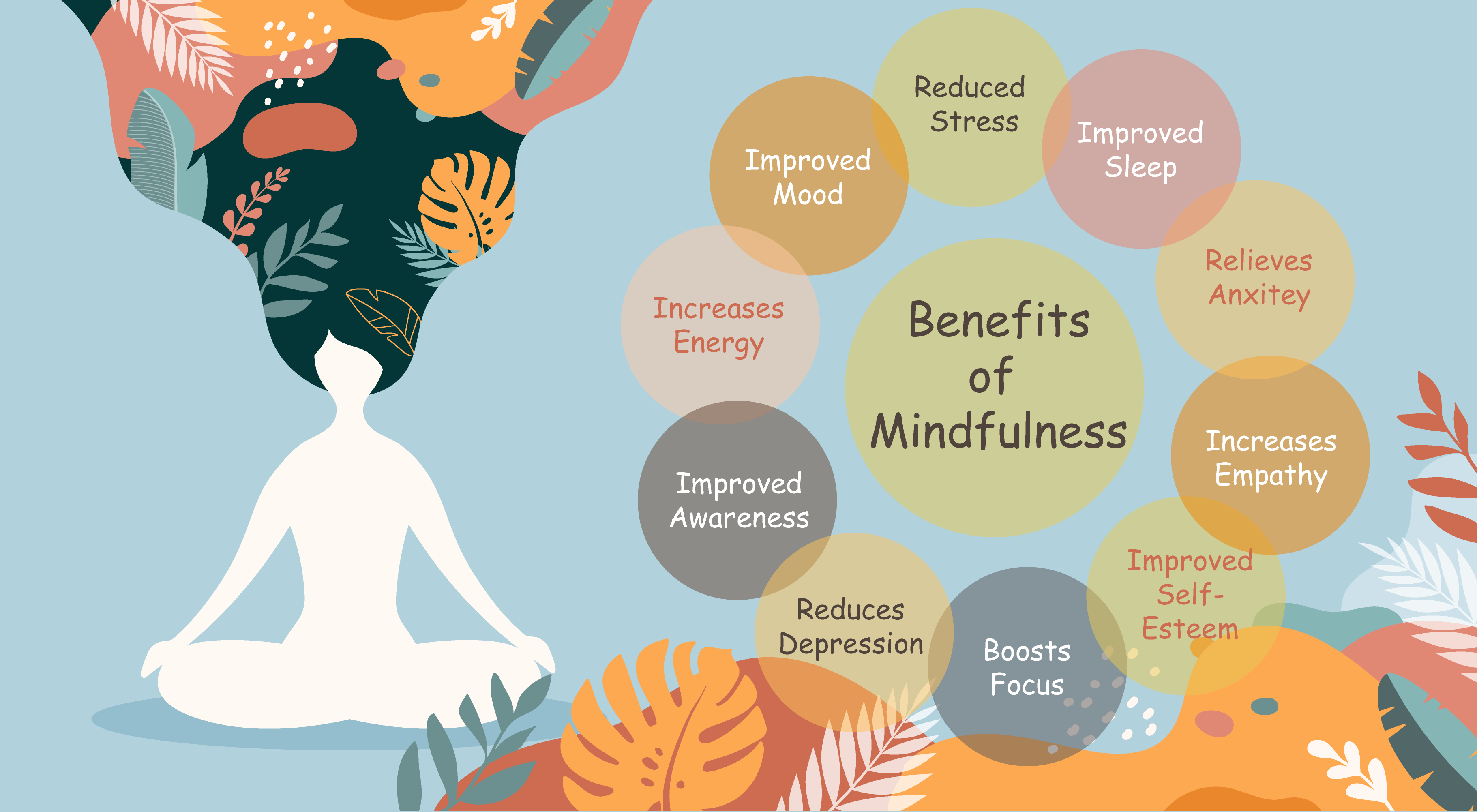
Mindfulness has been shown to reduce symptoms of anxiety and depression by improving emotional regulation and increasing self-compassion. It strengthens the connection between mind and body, allowing individuals to respond to challenging situations with clarity rather than reacting impulsively. Additionally, mindfulness promotes better sleep, increased focus, and reduced stress, all of which are critical for successful recovery.

Simple Mindfulness Practices for Daily Life

Incorporating mindfulness does not require complex routines or extensive training. Small, consistent practices can create significant positive change.

1. Mindful Breathing

Focus on your breath as it flows in and out. Pay attention to the sensation of air entering your nose, filling your lungs, and leaving your body. Even a few minutes of mindful breathing each day can lower stress hormone levels and ground you in the present moment.

2. Body Scan Meditation

Take a few minutes to mentally scan your body from head to toe. Notice areas of tension or discomfort and breathe into them. This practice encourages relaxation, improves awareness of physical sensations, and helps release stored stress.

3. Observing Thoughts Without Judgment

When anxious or depressive thoughts arise, observe them as if they are passing clouds rather than facts. Labeling thoughts without judgment helps reduce their intensity and prevents them from dictating behavior.

4. Mindful Walking

Turn a simple walk into a mindful experience by noticing the sensations of each step, the movement of your muscles, and the sounds around you. Mindful walking combines gentle exercise with present-moment awareness, benefiting both body and mind.

5. Gratitude Journaling

Writing down things you are grateful for each day cultivates a positive mindset. Focusing on small, positive aspects of life can counterbalance negative thoughts and reinforce recovery goals.

Integrating Mindfulness into Recovery

Mindfulness complements professional treatment for mental health and addiction. Inpatient and outpatient programs often incorporate holistic approaches that include meditation, yoga, and mindful reflection. Faith-based practices may also align with mindfulness, offering spiritual grounding alongside emotional support.

Taking the Next Step

Mindfulness is not a quick fix, but a gradual and powerful tool for mental health. By practicing simple daily techniques, individuals can reduce anxiety, ease depressive symptoms, and strengthen resilience in recovery. If you or a loved one are struggling with mental health challenges or addiction, consider reaching out to a trusted treatment center that offers holistic, individualized care. Mindfulness, combined with professional guidance, can create a foundation for lasting peace, focus, and emotional well-being.

Depression Recovery: Small Steps That Lead to Big Changes

Depression can make even the simplest daily tasks feel overwhelming. For individuals in addiction recovery or those facing mental health struggles, depression often adds another layer of difficulty to the healing process. The good news is that recovery is possible, and it does not have to begin with massive changes. Often, small consistent steps can create powerful shifts that lead to lasting transformation. Understanding how to take those first steps can be the key to building resilience, strength, and hope.

Understanding Depression in Recovery

Depression is more than just sadness. It can bring feelings of emptiness, fatigue, hopelessness, and disconnection from others. For many people in recovery, depression may surface during early sobriety or after a major life transition. It is important to recognize that depression is not a personal weakness but a medical and emotional condition that requires compassion, care, and support.

Professional treatment, whether inpatient or outpatient, is often essential for managing depression. At the same time, daily habits and small lifestyle changes play a critical role in building momentum toward healing.

Small Daily Steps That Make a Difference

Focus on One Task at a Time

When depression feels heavy, even basic routines can feel impossible. Instead of aiming to do everything at once, focus on one achievable task each day. Whether it is making your bed, preparing a healthy meal, or taking a short walk, completing small goals can restore a sense of control and progress.

Prioritize Physical Wellness

The body and mind are closely connected. Simple actions like drinking enough water, eating balanced meals, and getting regular movement can reduce depressive symptoms. Exercise in particular boosts mood-regulating chemicals like serotonin and endorphins, helping the brain reset and heal.

Build a Support System

Isolation often makes depression worse. Reaching out to a trusted friend, mentor, or recovery group provides encouragement and accountability. Professional counseling, faith-based guidance, or group therapy can create safe spaces where emotions are understood and validated.

Practice Mindfulness and Spiritual Grounding

Holistic approaches, including mindfulness meditation, prayer, or deep breathing, help calm the mind and bring awareness to the present moment. For many, faith-based practices provide strength and hope when depression feels overwhelming. Spiritual connection, combined with evidence-based therapy, can nurture both the mind and the soul.

Celebrate Progress, No Matter How Small

Recovery from depression is not about perfection. It is about progress. Recognizing even the smallest victories helps to reinforce positive change. Keeping a journal of achievements, gratitude lists, or milestones in sobriety can serve as a reminder of how far you have come.

Professional Treatment Matters

While small steps are powerful, depression recovery often requires comprehensive care. Inpatient and outpatient treatment programs offer structured support, therapeutic guidance, and individualized care plans. Holistic treatment models address not just the symptoms of depression but also the underlying causes, including trauma, addiction, and lifestyle challenges. With a compassionate team, recovery becomes a guided journey rather than an isolated struggle.

Moving Forward with Hope

Depression recovery is built on consistency, connection, and courage. Even the smallest steps can open the door to big changes, leading to greater balance and emotional stability. If depression is impacting your life or recovery journey, remember that help is available. Professional treatment centers provide personalized care, holistic healing, and compassionate support to help you regain hope and strength. You do not have to face depression alone. Taking the first step today could be the beginning of a healthier, brighter tomorrow.

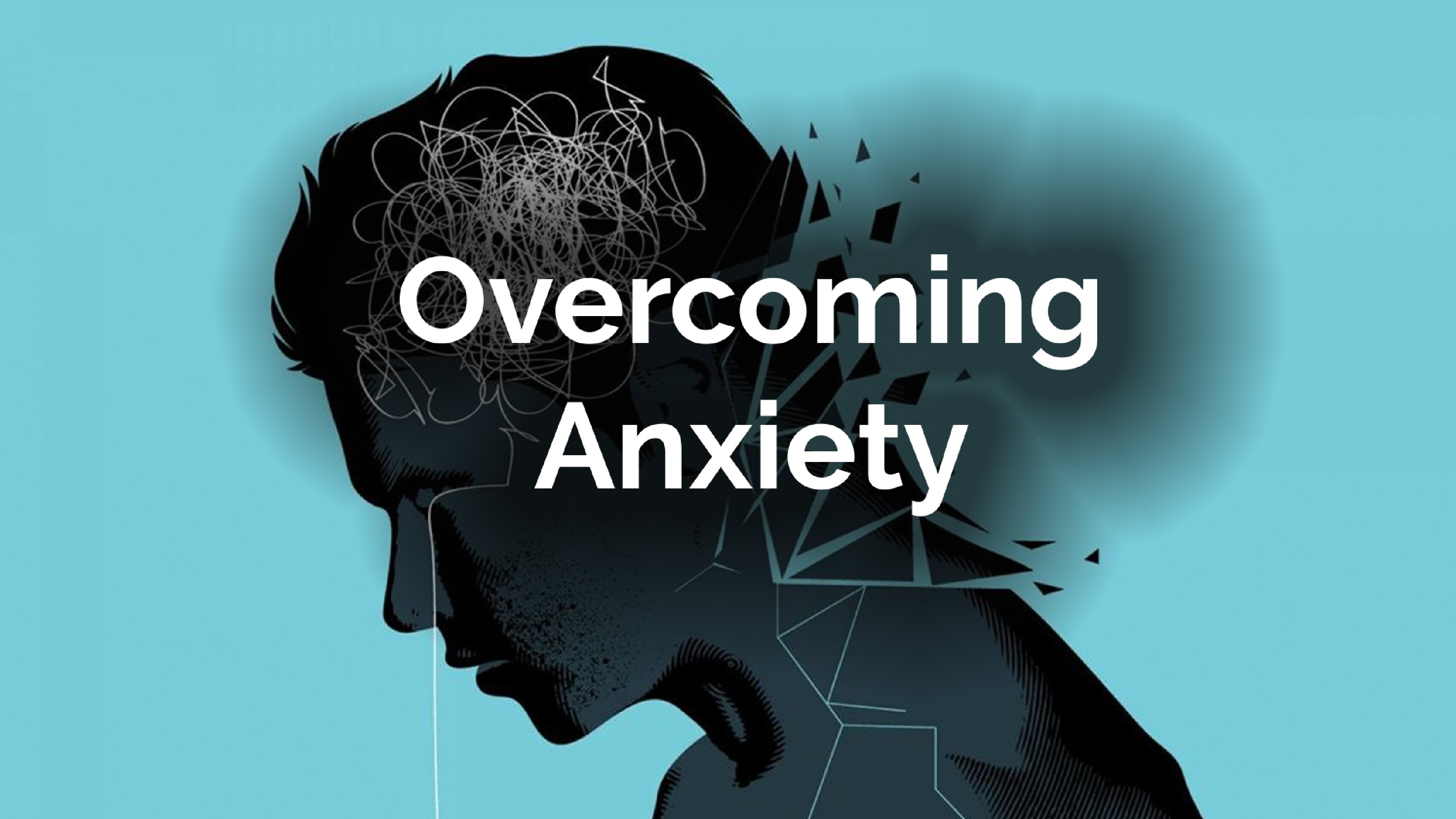
Overcoming Anxiety: Daily Techniques to Regain Calm and Control

Anxiety can feel like an uninvited shadow that follows you through every moment of the day. For those navigating addiction recovery, it can be even more challenging, often triggered by past experiences, uncertainty about the future, or the emotional work involved in healing. The good news is that anxiety does not have to control your life. With the right daily techniques, you can regain a sense of calm, build resilience, and take steady steps toward long-term recovery.

Understanding Anxiety in Recovery

Anxiety is more than occasional nervousness. In recovery, it can manifest as constant restlessness, racing thoughts, and difficulty sleeping. It may be tied to withdrawal, past trauma, or the pressure of maintaining sobriety. Left unchecked, it can become a barrier to progress. Recognizing that anxiety is a normal, treatable response is the first step toward managing it effectively.

Building a Strong Daily Routine

Consistency is one of the most powerful tools against anxiety. When your mind knows what to expect, it can feel more secure and less reactive to stressors.

Practice Mindful Mornings

Start your day with intention rather than rushing into obligations. A few minutes of deep breathing, prayer, or meditation can ground your mind. This sets a calm tone for the hours ahead and helps prevent stress from spiraling.

Prioritize Physical Movement

Exercise is a natural anxiety reducer. Activities like walking, stretching, yoga, or swimming release endorphins that boost mood and focus. Even ten minutes of movement can make a difference in how you handle challenges throughout the day.

Managing Thoughts and Emotions

Negative thought patterns can feed anxiety, but learning to redirect them is a skill you can strengthen over time.

Journaling for Clarity

Writing down your thoughts helps you process emotions and separate facts from fears. Journaling can reveal patterns and triggers, giving you insight into how to respond more effectively.

Reframing Stressful Situations

When anxiety builds, pause and ask yourself: “Is this thought helping me heal or holding me back?” By reframing challenges as opportunities for growth, you give yourself the power to choose how you respond.

The Role of Support Systems

Anxiety can be isolating, but recovery thrives on connection. Surround yourself with supportive friends, family, counselors, or recovery groups who understand your journey. Professional treatment programs that combine mental health care with holistic healing can provide tailored strategies for managing anxiety.

Holistic and Faith-Based Approaches

For many, faith-based practices offer strength and perspective during anxious moments. Prayer, scripture study, and mindfulness can work alongside clinical therapies to create a balanced path to wellness. Holistic care, which addresses mind, body, and spirit, can include nutrition guidance, meditation, and relaxation techniques that reinforce emotional stability.

Taking the Next Step

Anxiety does not have to be a permanent part of your story. By using practical daily techniques, leaning on a strong support system, and seeking professional guidance when needed, you can regain calm and control in your life. If anxiety is affecting your recovery, reach out to a trusted treatment center that understands both the emotional and physical challenges of healing. Your peace of mind is worth the effort, and with the right help, it is within your reach.

The Mind-Body Connection: How Stress Affects Mental Health and How to Cope

The link between the mind and body is more powerful than many people realize. Stress—often thought of as a purely mental or emotional issue—can significantly impact both our psychological well-being and our physical health. Understanding the mind-body connection helps us recognize how emotional strain affects our bodies and how physical practices can, in turn, ease mental tension.

What Is the Mind-Body Connection?

The mind-body connection refers to the way our thoughts, feelings, beliefs, and attitudes can influence our physical health—and vice versa. When we are stressed or anxious, our body responds with physical symptoms like headaches, muscle tension, fatigue, and digestive issues. Similarly, chronic physical illness can affect mental health, often leading to feelings of frustration, anxiety, or depression.

Stress, in particular, triggers the body’s “fight or flight” response. This is a biological reaction that increases heart rate, blood pressure, and stress hormone levels (like cortisol) to help us respond to perceived threats. While helpful in short bursts, ongoing stress keeps the body in a constant state of tension, which can lead to long-term health problems.

How Stress Impacts Mental Health

Chronic stress can wear down your emotional resilience. Over time, it can lead to:

  • Anxiety: Constant worrying, restlessness, or panic attacks
  • Depression: Loss of interest, low energy, and feelings of hopelessness
  • Sleep Issues: Trouble falling or staying asleep
  • Cognitive Problems: Difficulty concentrating, forgetfulness, or racing thoughts

This feedback loop between the body’s stress response and the mind’s emotional processing can feel overwhelming—but it can be broken with the right strategies.

Coping with Stress: Strategies for Healing

1. Practice Mindfulness and Meditation

Mindfulness brings your attention to the present moment, helping you break free from the cycle of worry and overthinking. Even just five to ten minutes of daily meditation can reduce cortisol levels and promote a sense of calm.

2. Move Your Body

Exercise is a powerful stress reliever. It boosts mood-enhancing chemicals like endorphins and reduces the intensity of the body’s stress response. Activities like walking, yoga, swimming, or dancing can all help regulate emotions and ease tension.

3. Breathe Deeply

Deep breathing techniques, such as box breathing or diaphragmatic breathing, slow the heart rate and signal the brain that it’s safe to relax. This simple habit can shift your nervous system from stress mode to rest mode.

4. Connect with Others

Social support is vital for emotional health. Talking to a friend, therapist, or support group can help you process your feelings and feel less alone.

5. Nourish Your Body

A balanced diet supports a healthy brain. Omega-3 fatty acids, leafy greens, lean proteins, and hydration all play a role in regulating mood and energy.

Conclusion

The connection between the mind and body means that stress doesn’t stay confined to our thoughts—it affects every part of us. But the good news is that we can also use physical tools to support emotional recovery. By learning to care for both mind and body, we empower ourselves to lead healthier, more balanced lives.

Breaking the Cycle: Practical Ways to Manage Stress, Anxiety, and Depression

Stress, anxiety, and depression are some of the most common mental health challenges people face today. Unfortunately, these conditions often create a vicious cycle. High stress can trigger anxiety, prolonged anxiety can lead to depression, and depression can make it harder to manage stress effectively. Breaking this cycle is not easy, but it is possible with practical strategies, consistency, and support.

Understanding the Cycle

Stress is the body’s natural response to demands or challenges. Short-term stress can be helpful, but chronic stress wears down the body and mind. When stress becomes overwhelming, it can lead to anxiety—a constant state of worry or fear. If left untreated, anxiety may develop into depression, leaving individuals feeling hopeless, fatigued, and emotionally drained.

Breaking this cycle requires addressing both the emotional and physical aspects of mental health. It’s about learning coping skills, building resilience, and creating new, healthier patterns.

Practical Ways to Manage Stress

Managing stress begins with recognizing your personal triggers and developing healthier responses.

  • Practice Deep Breathing – Slow, intentional breathing activates the body’s relaxation response. Try inhaling deeply for 4 seconds, holding for 4, and exhaling slowly for 6.
  • Exercise Regularly – Physical activity, even a 20-minute walk, can significantly reduce stress by releasing endorphins.
  • Take Breaks – Step away from work or stressful situations when possible. A few minutes of quiet time can help clear your mind.
  • Set Boundaries – Learn to say no when necessary. Protecting your time and energy is essential for stress management.

Managing Anxiety Effectively

Anxiety thrives on uncertainty and fear. By developing daily habits to calm the mind, you can reduce its impact.

  • Mindfulness and Meditation – Practicing mindfulness helps ground you in the present moment, reducing worry about the future.
  • Limit Stimulants – Caffeine, sugar, and alcohol can increase anxiety symptoms. Consider reducing your intake.
  • Cognitive Behavioral Techniques (CBT) – Challenge irrational thoughts by asking, “Is this thought true? What evidence do I have?”
  • Progressive Muscle Relaxation – Tense and then release each muscle group in your body to release physical tension.

Overcoming Depression

Depression can sap motivation, but small actions can lead to gradual improvement.

  • Create a Routine – A structured day provides stability and reduces feelings of helplessness.
  • Stay Connected – Isolation worsens depression. Reach out to friends, family, or support groups.
  • Engage in Enjoyable Activities – Even when you don’t feel like it, engaging in hobbies or outdoor activities can help lift your mood.
  • Seek Professional Help – Therapy, counseling, and in some cases, medication, can provide vital support.

Conclusion

Breaking the cycle of stress, anxiety, and depression takes patience, effort, and compassion for yourself. It’s important to remember that small, consistent steps can lead to meaningful change. By practicing daily coping strategies, building support systems, and seeking professional help when needed, you can regain control of your mental health and live a more balanced, peaceful life. You are not alone—and recovery is always possible.

Aging Gracefully: Tips for Maintaining Health and Vitality Through the Years

Aging is a natural part of life, but growing older doesn’t mean losing your energy, independence, or sense of purpose. In fact, many people find that the later years can be some of the most fulfilling—if approached with care and intention. Aging gracefully is about embracing change, maintaining your health, and living fully at every stage of life. With the right habits and mindset, it’s possible to stay active, alert, and happy well into your senior years.

1. Prioritize Physical Health

Staying physically active is one of the most important factors in healthy aging. Regular exercise supports cardiovascular health, strengthens muscles and bones, and improves balance and flexibility—reducing the risk of falls.

  • Aim for consistency with low-impact exercises like walking, swimming, yoga, or cycling.
  • Strength training helps preserve muscle mass and bone density, especially after age 50.
  • Stretching and balance exercises can prevent stiffness and reduce injury risk.

Alongside exercise, regular checkups and screenings can catch health issues early. Stay up to date with vaccinations, vision and hearing tests, and routine exams.

2. Eat for Longevity

A balanced, nutritious diet is essential for maintaining energy levels and supporting your body’s changing needs. As metabolism slows with age, quality of food becomes more important than quantity.

  • Fill your plate with fruits, vegetables, whole grains, and lean proteins.
  • Reduce salt, sugar, and processed foods to manage weight and blood pressure.
  • Stay hydrated, as the sense of thirst diminishes with age.

Consider consulting a dietitian to create a meal plan that supports your unique nutritional needs, especially if managing conditions like diabetes or heart disease.

3. Keep Your Mind Active

Mental sharpness is key to aging well. Just like the body, the brain needs regular stimulation to stay healthy.

  • Engage in mentally challenging activities such as reading, puzzles, learning new skills, or playing musical instruments.
  • Stay socially connected, as isolation is linked to cognitive decline and depression.
  • Practice mindfulness and stress reduction to improve focus and emotional well-being.

Staying mentally active not only improves memory and concentration but also adds purpose and enjoyment to daily life.

4. Nurture Emotional and Spiritual Wellness

A positive outlook can significantly affect how you age. Many older adults find strength through spirituality, community involvement, or meaningful hobbies.

  • Build and maintain strong relationships with family and friends.
  • Volunteer or join clubs and groups to stay socially and emotionally engaged.
  • Reflect on life’s meaning and purpose, through faith, creativity, or helping others.

Self-care and emotional fulfillment are crucial to feeling young at heart.

5. Get Quality Sleep

As you age, sleep patterns may change, but rest remains essential. Aim for 7–8 hours of quality sleep each night. Create a sleep-friendly environment by limiting screen time before bed, maintaining a regular sleep schedule, and avoiding caffeine in the evening.

Conclusion

Aging gracefully isn’t about denying the years—it’s about making the most of them. By caring for your body, mind, and spirit, you can remain healthy, independent, and vibrant throughout your life. Remember, age is just a number; how you live each year is what truly counts.