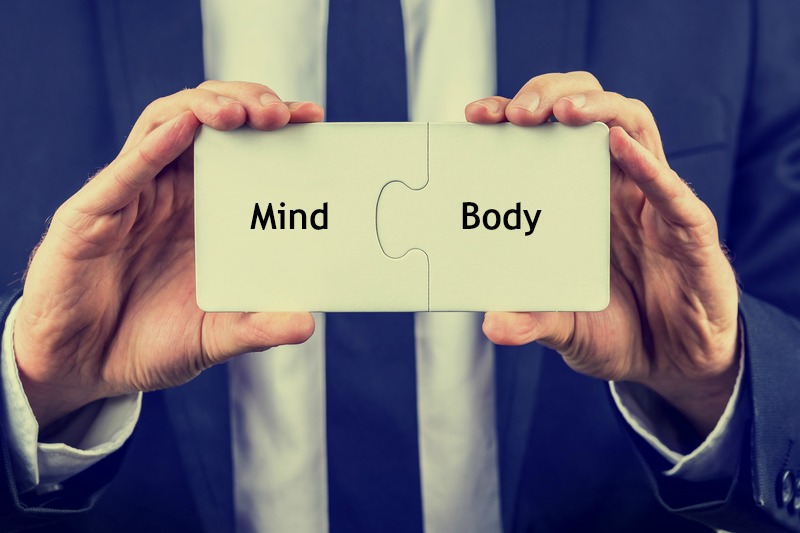
The link between the mind and body is more powerful than many people realize. Stress—often thought of as a purely mental or emotional issue—can significantly impact both our psychological well-being and our physical health. Understanding the mind-body connection helps us recognize how emotional strain affects our bodies and how physical practices can, in turn, ease mental tension.
What Is the Mind-Body Connection?
The mind-body connection refers to the way our thoughts, feelings, beliefs, and attitudes can influence our physical health—and vice versa. When we are stressed or anxious, our body responds with physical symptoms like headaches, muscle tension, fatigue, and digestive issues. Similarly, chronic physical illness can affect mental health, often leading to feelings of frustration, anxiety, or depression.
Stress, in particular, triggers the body’s “fight or flight” response. This is a biological reaction that increases heart rate, blood pressure, and stress hormone levels (like cortisol) to help us respond to perceived threats. While helpful in short bursts, ongoing stress keeps the body in a constant state of tension, which can lead to long-term health problems.
How Stress Impacts Mental Health
Chronic stress can wear down your emotional resilience. Over time, it can lead to:
- Anxiety: Constant worrying, restlessness, or panic attacks
- Depression: Loss of interest, low energy, and feelings of hopelessness
- Sleep Issues: Trouble falling or staying asleep
- Cognitive Problems: Difficulty concentrating, forgetfulness, or racing thoughts
This feedback loop between the body’s stress response and the mind’s emotional processing can feel overwhelming—but it can be broken with the right strategies.
Coping with Stress: Strategies for Healing
1. Practice Mindfulness and Meditation
Mindfulness brings your attention to the present moment, helping you break free from the cycle of worry and overthinking. Even just five to ten minutes of daily meditation can reduce cortisol levels and promote a sense of calm.
2. Move Your Body
Exercise is a powerful stress reliever. It boosts mood-enhancing chemicals like endorphins and reduces the intensity of the body’s stress response. Activities like walking, yoga, swimming, or dancing can all help regulate emotions and ease tension.
3. Breathe Deeply
Deep breathing techniques, such as box breathing or diaphragmatic breathing, slow the heart rate and signal the brain that it’s safe to relax. This simple habit can shift your nervous system from stress mode to rest mode.
4. Connect with Others
Social support is vital for emotional health. Talking to a friend, therapist, or support group can help you process your feelings and feel less alone.
5. Nourish Your Body
A balanced diet supports a healthy brain. Omega-3 fatty acids, leafy greens, lean proteins, and hydration all play a role in regulating mood and energy.
Conclusion
The connection between the mind and body means that stress doesn’t stay confined to our thoughts—it affects every part of us. But the good news is that we can also use physical tools to support emotional recovery. By learning to care for both mind and body, we empower ourselves to lead healthier, more balanced lives.